

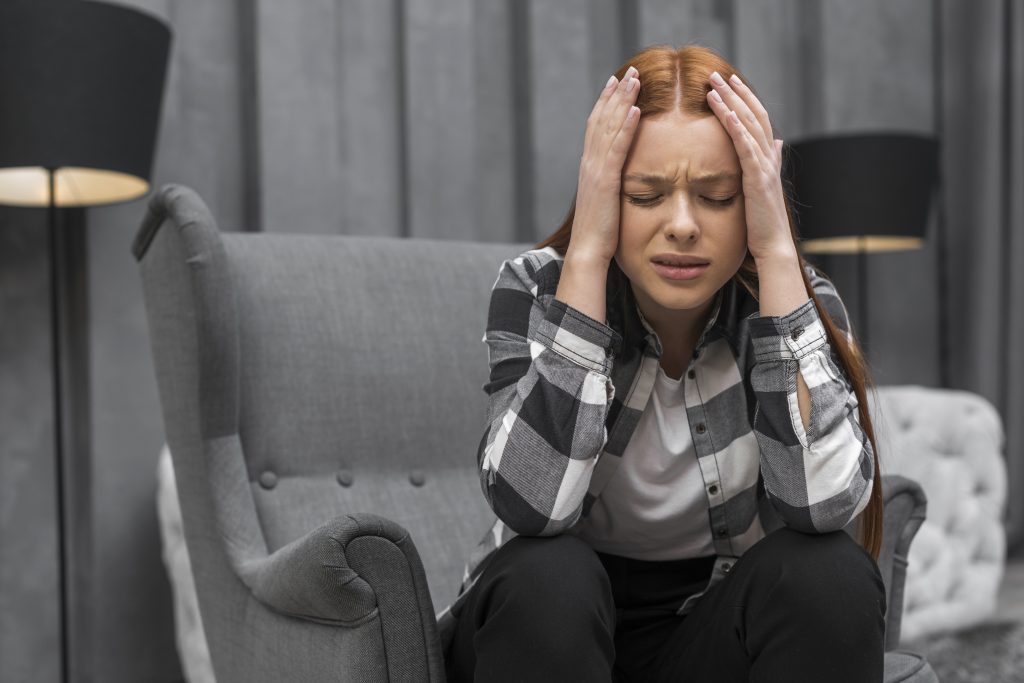
When anxiety or stress starts to take over, knowing how to calm down during anxiety can make all the difference. From controlling your breathing to shifting your focus, there are practical techniques that can help you feel grounded again. In this blog, we’ll explore five simple, evidence-based tips to help you manage anxious moments and restore a sense of calm.
Anxiety kicks in the body’s natural “fight or flight” response, releasing stress hormones like cortisol and adrenaline that gear you up to face danger. While this reaction is meant to keep you safe, it can feel pretty overwhelming when there’s no real threat around. You might notice your heart racing, muscles tightening, and thoughts spiraling — all of which can make it tough to focus or unwind.
To learn how to stay calm during moments of anxiety or stress, it’s essential to understand these physical sensations. By acknowledging that your body’s response is temporary and rooted in survival instincts, you can start to manage it more effectively. Gaining awareness helps you regain control, lessen the fear of those sensations, and find a sense of calm even when discomfort arises.
Anxiety disorders can stem from a combination of genetics, brain chemistry, personality traits, and life experiences. Stressful or traumatic events, ongoing health issues, or significant life changes often play a big part.
Even chronic exposure to work pressure or uncertainty can ramp up the body’s stress response, raising the risk of ongoing anxiety. To learn how to stay calm during anxiety or stress, it’s crucial to pinpoint what triggers your anxious feelings. Understanding your personal risk factors enables you to take proactive steps—like seeking therapy, improving your sleep, or setting healthy boundaries—to keep anxiety at bay before it escalates.
Spotting symptoms early is vital for knowing how to stay calm during anxiety or stress and when to reach out for help. Anxiety disorders can manifest in both your mind and body.
Common symptoms include:
Anxiety disorders are among the most common mental health conditions, affecting millions of people worldwide. They can cause excessive fear, worry, or nervousness that interferes with daily life. While each disorder has unique symptoms and triggers, early diagnosis and treatment can significantly improve quality of life.
Here are six of the most common anxiety disorders:
Feeling anxious or stressed? It’s normal to feel this way from time to time, but knowing how to calm yourself can really make a difference. When those feelings start to creep in, having a few go-to strategies can help you regain control. Calming your mind and body often begins with small, deliberate actions that can slow your heart rate and quiet those racing thoughts. Let’s explore three simple yet effective techniques you can start using today!
Taking deep breaths helps kickstart your body’s relaxation response, which slows down your heart rate and tells your brain that everything is okay. When you control your breathing, it can lessen the grip of panic and help you ground yourself in the present. If you want to stay calm during moments of anxiety or stress, learning to master your breath is often the first step.
Try these:
Progressive muscle relaxation (PMR) is a fantastic way to ease tension by systematically tightening and then relaxing various muscle groups. This technique helps your body learn to distinguish between stress and calm, which can significantly reduce both physical and mental anxiety. By practicing PMR regularly, you’ll become better at staying calm in stressful situations, as your body will start to recognize the signals of relaxation.
Try these:
Mindfulness helps you stay present by observing your thoughts and emotions without judgment. This simple yet powerful practice can stop the spiral of “what-ifs” that often fuel anxiety. When you’re learning how to stay calm during anxiety or stress, mindfulness offers a path to detach from anxious thoughts and return to the now.
Try these:
We all have our moments of worry, but when anxiety starts to take over your daily life or fills you with constant fear, it can be really tough. Recognizing the difference between normal worry and overwhelming anxiety is crucial—it’s the first step in knowing when to seek help. Remember, you don’t have to face anxiety or stress on your own; sometimes, getting professional support is the best way to move forward.
If anxiety is interfering with your sleep, work, or relationships, it might be a good idea to reach out to a licensed mental health professional. They can help you understand your symptoms and suggest the right treatment for you.
Taking the step to seek professional treatment is a powerful move towards healing and finding lasting peace. Whether it’s through therapy, medication, or making lifestyle changes, each can significantly contribute to your recovery journey. With the right support and a tailored care plan, learning to manage anxiety and stress becomes much more achievable.
Your treatment options might include cognitive-behavioral therapy (CBT), medication management, or stress-reduction techniques led by a therapist. When you find the right approach, you can effectively manage anxiety, helping you take back control and enjoy a more peaceful life.
Finding the right Arizona psychiatrist near you can truly change the game when it comes to managing anxiety and stress. A skilled psychiatrist can offer a precise diagnosis, tailor a treatment plan just for you, and provide ongoing support to help you develop coping strategies and keep your emotions in check.
Don't let anxiety control your life. As the mental health landscape evolves, our commitment to delivering the highest quality of care remains the same.
We're here to support you through your journey toward improved mental well-being. Call us at 888-903-5505 or schedule an appointment online.
How calm down from anxiety?
Learning how to calm down during anxiety involves practicing slow, deep breathing and grounding yourself in the present moment. Focusing on your senses—what you can see, hear, or feel—can help lower anxiety levels. Gentle physical activity or mindfulness exercises are also effective ways to calm down during anxiety attack symptoms.
How to calm down during anxiety attack?
During an anxiety attack, remind yourself that what you’re feeling is temporary and will pass. Focus on slow breathing and count each inhale and exhale to steady your body. Practicing how to calm down during anxiety can help train your brain to manage future episodes more effectively.
Can you get anxiety even when calm?
Yes, it’s possible to feel anxiety even when you appear calm on the outside. Internal stress or intrusive thoughts can trigger anxious feelings even in peaceful settings. Understanding this can help you recognize early signs and use ways to calm down during anxiety attack situations.
Why won't my anxiety calm down?
Sometimes anxiety doesn’t calm down because your body remains in “fight or flight” mode. Chronic stress, caffeine, or unresolved worries can keep anxiety levels high. Learning how to calm down during anxiety attack symptoms through deep breathing and progressive relaxation can help reset your system.
When having anxiety how to calm down?
When experiencing anxiety, start by taking deep, slow breaths and reminding yourself that you are safe. Focusing on your breathing rhythm helps bring your body back to balance. Simple grounding exercises are great ways to calm down during anxiety attack moments.
How to calm anxiety down fast?
To calm anxiety quickly, try inhaling deeply through your nose and exhaling slowly through your mouth. Splashing cool water on your face or stepping outside for fresh air can help, too. These simple techniques can support you in learning how to calm down during anxiety.
What helps you calm down from anxiety?
Practices like meditation, light stretching, or journaling can help you release tension and gain clarity. Listening to soothing music or using calming scents like lavender are also effective. Developing a personal routine with ways to calm down during anxiety attack moments can improve long-term coping.
How to calm down during anxiety attack reddit?
Online communities often share personal tips on how to calm down during anxiety attack moments. Common advice includes breathing exercises, positive affirmations, and distraction techniques. Many find comfort in knowing they’re not alone and that others manage anxiety in similar ways.
How to calm down anxiety during pregnancy?
Pregnant individuals can calm anxiety by practicing gentle breathing, prenatal yoga, or guided meditation. Avoiding overstimulation and getting proper rest are essential. Understanding how to calm down during anxiety can help both mother and baby stay healthy and relaxed.
Can you calm down from anxiety?
Yes, you can calm down from anxiety with the right coping tools and patience. Consistent practice of relaxation techniques can retrain your body’s stress response. Everyone can benefit from exploring different ways to calm down during anxiety attack situations.
Can you be calm during an anxiety attack?
While it’s difficult, it’s possible to stay somewhat calm during an anxiety attack with practice. Focusing on breathing, grounding, or repeating calming affirmations can help reduce panic. Over time, learning how to calm down during anxiety attack moments can make episodes less intense.


Monday - Friday: 8:00 am - 5:00 pm EST
Closed Saturday & Sunday


