

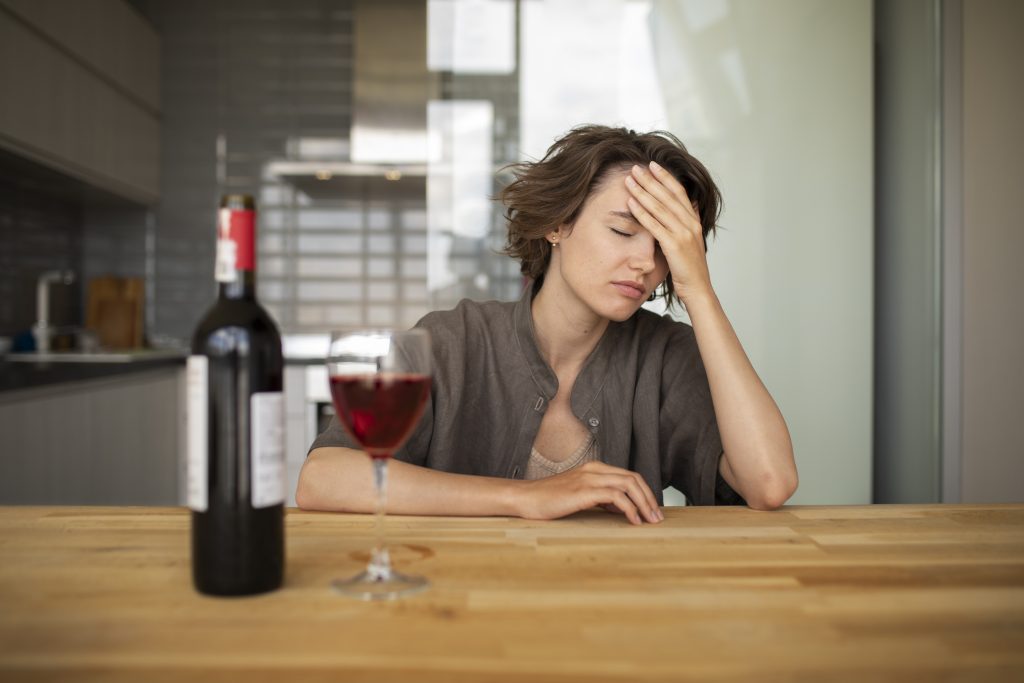
Many studies have shown the strong link between excessive alcohol and brain damage. Whether it’s directly resulting from the actions taken by drunk drivers or after the continuous intake of excessive amounts of alcohol, patients’ lives (and those they love) end up permanently affected. In this blog, we’ll discuss alcohol and anxiety. We’ll cover how alcohol can induce panic attacks and exacerbate underlying symptoms you may already have.
There is a clear relationship between alcohol, prior anxiety symptoms/anxiety disorders, and potential panic attacks. Studies have shown that heavy .
Alcohol and anxiety share a complex relationship, largely due to the way alcohol impacts the brain. When you drink, alcohol can initially ease anxiety by dampening certain brain functions, giving you a sense of calm. But as time goes on, it disrupts the brain's natural equilibrium, often leading to heightened anxiety once the effects fade away. This creates a tricky cycle where individuals might turn to alcohol for relief, only to find that it exacerbates their anxiety in the long run.
Yes, alcohol can trigger anxiety by messing with the levels of neurotransmitters in your brain. While it might seem to soothe anxious feelings at first, the drop in serotonin and dopamine levels after the alcohol wears off can actually ramp up anxiety. This means you could end up feeling more anxious than you did before drinking.
Yes, alcohol can indeed make anxiety worse because it disrupts the brain's ability to manage emotions. The calming effects of alcohol might offer temporary relief, but they often lead to a rebound effect where anxiety spikes. For those already dealing with anxiety, drinking can complicate things and make it tougher to handle symptoms.
Mixing alcohol with anxiety medications is risky, as alcohol can enhance the sedative effects of these drugs. This combination can result in excessive drowsiness, impaired coordination, and potentially serious side effects. It’s always best to check with a healthcare professional before consuming alcohol while on anxiety medications.
In the short term, alcohol can reduce anxiety by providing a calming effect on the central nervous system. However, this relief is fleeting and can lead to increased anxiety once the alcohol is processed by your body. Over time, relying on alcohol can worsen anxiety, creating a cycle of dependency.
At first glance, it might seem like alcohol can ease anxiety by dulling those uncomfortable feelings. However, this relief is only temporary, and in the long run, alcohol can actually make anxiety worse. It disrupts your sleep and messes with your brain's natural way of handling stress, making it tougher to cope with anxiety effectively.
Disclaimer: Do not mix alcohol with any type of medication unless authorized by a licensed physician or mental health professional. Doing so can lead to serious side effects and health risks. Always consult your doctor before combining alcohol with prescription or over-the-counter medications.
"Hangxiety" is a term used to describe the anxiety that hits after a night of drinking, particularly during a hangover. The physical symptoms of a hangover, like dehydration and low blood sugar, can ramp up feelings of anxiety. This mix of physical discomfort and emotional strain can leave you feeling uneasy long after the alcohol has worn off.
Hangxiety isn’t necessarily a clear-cut indicator of alcohol dependence, but it can definitely serve as a red flag for unhealthy drinking habits. If someone often feels anxious after drinking, it might mean that their alcohol use is taking a toll on their mental well-being. While it’s normal to experience hangxiety occasionally, having it regularly could be a sign that it’s time to take a closer look at one’s drinking patterns.
Absolutely, alcohol can spark panic attacks, particularly in those who are already prone to anxiety disorders. It messes with the balance of neurotransmitters in the brain, which can lead to feelings of anxiety or panic. Plus, the physical effects of drinking, like a racing heart, can mimic panic symptoms and potentially trigger an attack.
To steer clear of panic attacks after a night out, it’s crucial to keep your alcohol consumption in check and stay hydrated. Eating something before you drink can help keep your blood sugar stable, which might ease anxiety. Also, incorporating relaxation techniques like deep breathing or mindfulness can be really helpful in managing any panic feelings that arise.
If you find that drinking is leading to ongoing anxiety, panic attacks, or hangxiety, it might be a good idea to reach out for professional help. A therapist or psychiatrist can help you figure out if your alcohol use is playing a role in your mental health struggles. If your drinking is impacting your daily life or causing distress, getting professional support is essential for developing healthier coping mechanisms.
If you’re in New Jersey and dealing with alcohol-related anxiety or panic attacks, connecting with a telepsychiatrist can be a convenient and effective way to get the help you need. Telepsychiatry allows you to access care from the comfort of your home, making it easier to find the support that works for you. With the right guidance, you can learn to manage anxiety better and reduce your alcohol consumption. Find the right New Jersey Psychiatrist for you.
Managing your anxiety and addictions through Telapsychiatry offers a convenient and private solution, especially if alcohol is contributing to your symptoms. With online therapy or medication management, you can receive tailored support that addresses both your anxiety and any alcohol-related issues.
We're here to support you through your journey toward improved mental well-being. Call us at 888-903-5505 or schedule an appointment online
FAQs about Alcohol and Anxiety
Alcohol anxiety can fade over time, but it often depends on how frequently alcohol is consumed and how severe the anxiety is. For many people, alcohol anxiety decreases once the alcohol is metabolized, but others may experience lingering anxiety. Prolonged alcohol use can make it harder for the body to return to a balanced state, which may make anxiety persist.
Yes, alcohol can lead to both anxiety and insomnia by disrupting sleep and affecting brain chemicals. While alcohol may initially induce relaxation, it can cause fragmented sleep, leading to heightened anxiety and insomnia. This can create a cycle where the lack of restful sleep exacerbates anxiety symptoms, making it harder to feel rested or calm.
Alcohol can increase anxiety by altering neurotransmitter levels in the brain, which disrupts emotional regulation. Although it may temporarily relieve anxiety, alcohol can worsen symptoms once its effects wear off. This rebound effect can heighten feelings of anxiety and create a sense of nervousness or unease.
Yes, alcohol anxiety can last for several days, especially after binge drinking or excessive alcohol consumption. The physical effects of alcohol, such as dehydration and imbalanced chemicals in the brain, can trigger prolonged anxiety. For some, these symptoms may persist for up to a few days, affecting mood and energy levels.
Drinking alcohol when you have anxiety can worsen the condition, as alcohol disrupts the brain's natural balance of mood-regulating chemicals. Initially, alcohol may reduce anxiety, but it often leads to a rebound effect, increasing anxiety once the alcohol wears off. This cycle can make it harder to manage anxiety effectively in the long run.
Alcohol anxiety can last for several hours or even days, depending on how much alcohol was consumed and the individual's tolerance. In most cases, alcohol anxiety begins to subside once the alcohol has left the system, but it may linger if the person is dehydrated or lacks proper sleep. Some individuals may experience prolonged anxiety if alcohol consumption is frequent.
Yes, hangovers can lead to panic attacks due to dehydration, fluctuating blood sugar levels, and the body's attempt to process alcohol. The physical discomfort from a hangover, such as rapid heartbeat or dizziness, can trigger anxiety, which might escalate into a panic attack. Anxiety during a hangover can amplify the feeling of panic, making it harder to cope.
A panic attack during a hangover can occur because alcohol’s effect on neurotransmitters can trigger heightened anxiety. Symptoms of a hangover, like heart palpitations and nausea, may mimic the signs of a panic attack, causing additional distress. The combination of physical discomfort and emotional stress can increase the likelihood of experiencing a panic attack.
An anxiety attack during a hangover happens when the physical symptoms of a hangover, such as dizziness or an upset stomach, intensify feelings of worry. Alcohol disrupts sleep and hydration, which can contribute to heightened anxiety. These physical effects can trigger an anxiety attack, especially in people prone to anxiety disorders.
Hangovers and panic attacks can interact in a harmful cycle, with alcohol-induced dehydration and chemical imbalances worsening anxiety. The discomfort of a hangover, combined with increased heart rate or shakiness, can trigger panic attacks. For people who are already anxious, the symptoms of a hangover can intensify feelings of fear and panic.
A panic attack is an intense, sudden episode of fear or anxiety that can be triggered by various factors, including alcohol use. Alcohol can increase the likelihood of panic attacks by disrupting the brain's chemistry, leading to heightened anxiety. Symptoms of a panic attack include rapid heartbeat, sweating, and a sense of impending doom, often amplified during a hangover.
Hangover symptoms, such as headache, fatigue, and nausea, can worsen anxiety and may lead to panic attacks. These symptoms can trigger or intensify feelings of worry, especially if someone is already feeling anxious due to alcohol. The physical discomfort and the anxiety caused by hangover symptoms can contribute to a cycle of distress.
A panic attack from a hangover can occur because the body’s physical state, including dehydration and low blood sugar, triggers a stress response. Alcohol withdrawal during a hangover can cause symptoms like jitteriness and nervousness, which may escalate into a panic attack. For those with anxiety, these effects can create a heightened state of panic.


Monday - Friday: 8:00 am - 5:00 pm EST
Closed Saturday & Sunday


