

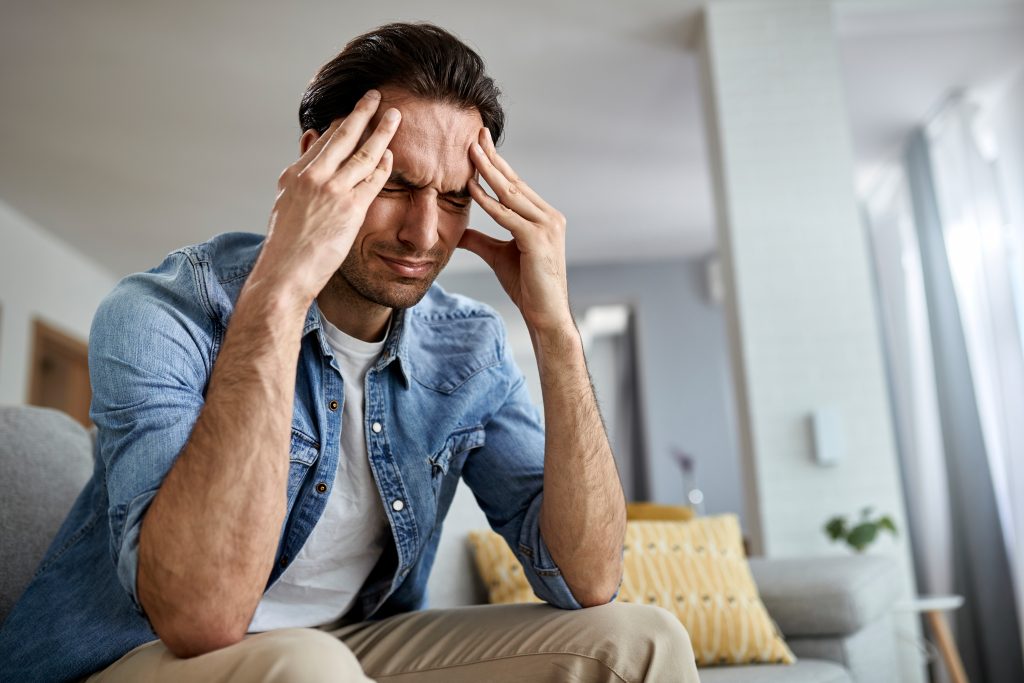
Depression affects more than just your mood—it can impact your physical health, relationships, and overall quality of life. One common question people ask is, does depression make you lose weight? The answer is yes, it can, but not everyone experiences depression the same way. From changes in appetite and energy levels to emotional withdrawal and physical symptoms, understanding how depression shows up is the first step toward recognizing it and getting the help you need. In this post, we’ll explore the different types of depression, who’s most at risk, and what treatment options are available to support your recovery.
Depression isn’t one-size-fits-all. It shows up in different forms depending on the individual, their life circumstances, and even their biology. Understanding the various types of depression can help you or a loved one recognize symptoms earlier and seek more personalized treatment. While there are several types, three of the most commonly diagnosed include major depressive disorder, persistent depressive disorder, and postpartum depression.
Here’s a closer look at each:
Knowing which type of depression you're facing is the first step toward getting the right kind of help—from therapy to medication to specialized telepsychiatry services.
Depression can affect anyone, but certain risk factors increase the likelihood of developing it. These can be biological, psychological, or related to life circumstances. Understanding who might be more vulnerable helps with early detection and intervention, which is key to better outcomes.
Common risk factors for depression include:
If you or someone you know falls into one or more of these categories, it may be helpful to consult with a mental health professional. A licensed provider—such as a New York psychiatrist—can evaluate symptoms and recommend a treatment plan tailored to individual needs.
Depression can really shake up your daily routine, especially when it comes to eating habits. For a lot of people, it can dampen their appetite or make food seem less appealing, leading to unexpected weight loss over time. This situation can get even trickier with feelings of fatigue, a lack of motivation, or withdrawing from social interactions, all of which can make it tough to stick to a healthy eating plan.
So, does depression make you lose weight? Absolutely—it can, especially for those whose symptoms impact their appetite and energy. Finding support through therapy, medication, or making lifestyle changes—like adopting a diet that’s beneficial for both depression and weight loss—can really help in regaining both physical health and emotional well-being.
Not everyone sheds pounds when they're feeling down. In fact, quite a few people actually gain weight during tough times.
Depression can spark cravings for those sugary or fatty comfort foods we all love, while also zapping your motivation to hit the gym, which can lead to a slow but steady weight gain. It's a common question to wonder if depression leads to weight loss, but the reality is that it impacts each person differently. Alongside depression, eating disorders may also play a role in changes in weight and body constitution.
For those who find themselves gaining weight, exploring options like the best medications for anxiety and depression, along with weight management strategies, can provide more focused support for both emotional and physical well-being.
Depression doesn’t just affect your thoughts—it often shows up in your body too. Alongside changes in appetite or weight, people may feel run-down, struggle with sleep, or experience aches and pains that don’t have a clear medical cause.
Does depression make you lose weight? It can, but that’s just one of many physical symptoms you might notice. Others include:
These symptoms are important to track and discuss with a healthcare provider, especially when they interfere with your daily life.
Unintentional weight loss isn’t solely tied to depression; it can stem from a variety of medical or lifestyle factors as well. If you find yourself losing weight without any effort, it’s crucial to explore other potential underlying issues. While it’s completely valid to ask if depression can lead to weight loss, remember that it’s just one piece of a much larger puzzle.
Other possible causes of weight loss include:
Have you ever found yourself losing weight and scratching your head, wondering why? While depression is one possible reason, it’s not the only culprit. There are various medical issues like hyperthyroidism, diabetes, digestive problems, or even certain infections that can lead to unexpected weight loss.
Sometimes, high stress levels or significant life changes can sneakily alter your eating habits without you even noticing. If you’re asking yourself whether depression makes you lose weight, it’s crucial to consider other possible factors too. A thorough medical evaluation can help determine if your weight fluctuations stem from mental health, physical health, or a mix of both—ensuring you receive the appropriate treatment.
Finding the right mental health professional can make a big difference in your recovery journey. Whether you're dealing with anxiety, depression, or a combination of emotional and physical symptoms, a trusted New York psychiatrist can help you explore personalized treatment options, including therapy and medication. Take the time to research credentials, read reviews, and choose a provider who understands your unique needs.
As the mental health landscape evolves, our commitment to delivering the highest quality of care remains the same.
We're here to support you through your journey toward improved mental well-being. Call us at 888-903-5505 or schedule an appointment online.
Will depression make you lose weight?
Depression can cause changes in appetite and eating habits, leading to weight loss in some individuals. Does depression make you lose weight? Yes, for some people, especially when it leads to a lack of interest in food or forgetfulness around meals. In such cases, using medicine for depression and weight loss like Wellbutrin may help manage both mood and appetite symptoms.
Can depression help you lose weight?
While depression might result in weight loss, it's not a healthy or sustainable way to lose weight. Does depression make you lose weight in a way that could be considered helpful? Not really—it’s often tied to malnutrition and worsened mental health. Instead, consider a best diet for depression and weight loss that supports both physical and emotional well-being.
Can depression prevent weight loss?
In some people, depression leads to emotional eating or cravings for high-calorie comfort foods, preventing weight loss. Does depression make you lose weight in every case? No—some experience weight gain instead, depending on their coping mechanisms. For those struggling, the best medication for anxiety and depression and weight loss may help balance mood and appetite.
Can postpartum depression make you lose weight?
Yes, postpartum depression may cause changes in eating habits and reduced appetite, leading to weight loss. Does depression make you lose weight even after childbirth? For some new mothers, yes—it can disrupt normal eating and self-care routines. In these cases, supplements for depression and weight loss and professional support may be part of a holistic recovery plan.
How much weight can depression make you lose?
Weight loss from depression varies greatly; some people might lose a few pounds, while others may experience significant drops. Does depression make you lose weight severely? It can, especially when symptoms persist and appetite remains low over time. A combination of therapy, depression and weight loss treatment, and nutritional support is important for recovery.
Does depression make you gain or lose weight?
Depression can lead to both weight gain and weight loss, depending on how it affects your appetite and behavior. Does depression make you lose weight in everyone? No, some people overeat as a coping mechanism instead. In either case, medicine for depression and weight loss should be tailored to the individual's symptoms and needs.
Does depression make you lose weight fast?
In some individuals, weight loss due to depression can happen rapidly, particularly if there’s a sudden drop in appetite or food intake. Does depression make you lose weight quickly or gradually depends on the severity and duration of symptoms. Monitoring physical health and exploring the best diet for depression and weight loss can help mitigate extreme changes.


Monday - Friday: 8:00 am - 5:00 pm EST
Closed Saturday & Sunday


