

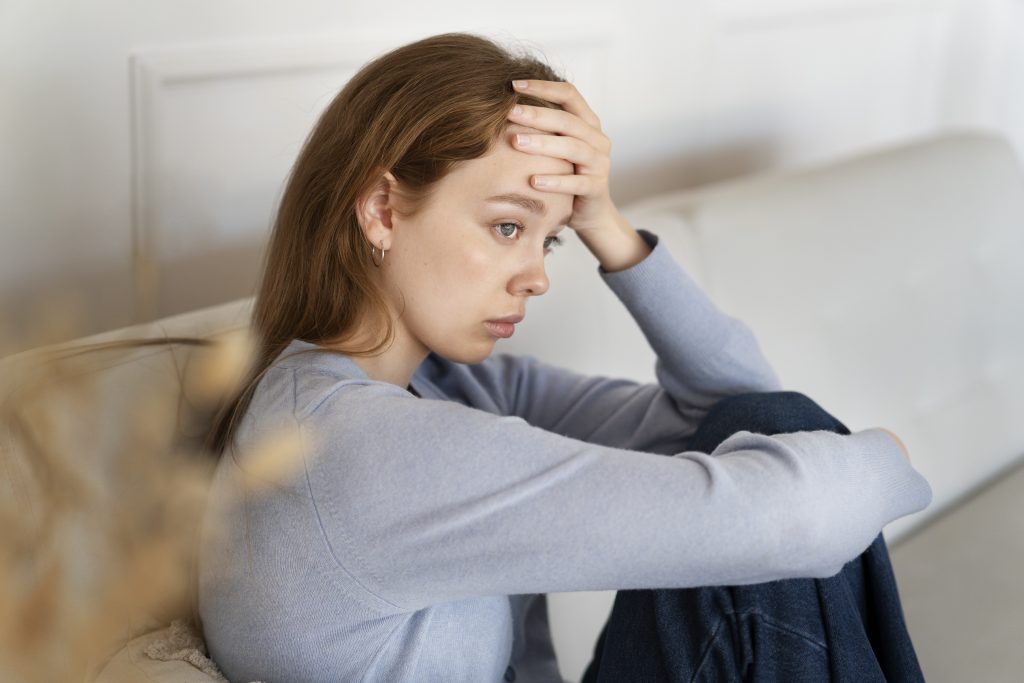
Understanding the key differences between anxiety vs depression is crucial for finding the right treatment and support. Anxiety typically comes with excessive worry, restlessness, and physical tension, while depression is characterized by ongoing sadness, low energy, and a lack of interest in everyday activities. By recognizing these differences, individuals can better pursue the appropriate therapy, medication, and lifestyle changes to effectively manage their mental health.
When it comes to mental health, anxiety and depression are two of the most prevalent conditions, but they impact individuals in quite different ways. Understanding the differences between anxiety and depression can really help clarify how each one affects our thoughts, feelings, and everyday lives.
Although it’s common for both to occur simultaneously, their symptoms and triggers are unique. Anxiety typically brings about excessive worry and tension, while depression is more about a lingering sadness and a disinterest in things that once brought joy. That’s why it’s crucial to identify these differences early on.
Anxiety is a mental health issue that’s characterized by overwhelming worry, fear, or nervousness that can disrupt daily activities. By understanding the distinction between anxiety and depression, we can better differentiate between constant worry and a persistent low mood, which may call for different treatment methods.
Anxiety can manifest in both emotional and physical ways, leading to symptoms like restlessness, racing thoughts, or a quickened heartbeat. Spotting these signs early on can empower individuals to employ coping strategies and seek professional support when needed.
Anxiety manifests in various emotional and physical ways that affect daily functioning.
Common symptoms may include:
Depression is a mood disorder that brings about ongoing feelings of sadness, hopelessness, and a disinterest in activities that used to bring joy. Understanding the differences between anxiety and depression is crucial, as it helps pinpoint whether your feelings are rooted in constant worry or a deep-seated low mood.
This condition can also take a toll on your physical health, leading to changes in appetite, sleep patterns, and energy levels. Recognizing the signs early on, seeking therapy, and establishing supportive routines can make a world of difference in improving the quality of life for those dealing with depression.
Depression affects both emotions and daily functioning, making it harder to perform regular tasks.
Common symptoms of depression often include:
Figuring out whether you're facing anxiety, depression, or a mix of both can be tricky since their symptoms often overlap. By comparing anxiety and depression, you can get a clearer picture of whether constant worry or ongoing sadness is more dominant in your life. It's important to pay attention to your emotional, physical, and behavioral habits.
If you're feeling restless, panicky, or constantly worried, those might be signs of anxiety. On the other hand, if you're experiencing a prolonged low mood, a lack of interest in things you used to enjoy, and fatigue, those could indicate depression.
Depression and anxiety questionnaires are widely used tools to assess risk factors and are generally considered reliable when properly validated.
Common Depression Questionnaires:
Common Anxiety Questionnaires:
If you're feeling uncertain about your symptoms, reaching out for professional help is a smart move. Virtual consultations with licensed psychiatrists who take insurance can make it easier and more affordable to get evaluated, diagnosed, and treated.
Yes, it's common to experience both anxiety and depression together, a situation often referred to as “comorbid anxiety and depression.” Understanding the differences between anxiety and depression can help you pinpoint which symptoms are linked to each condition, ensuring you receive the right treatment.
When it comes to treating anxiety vs depression, there’s often a lot of overlap, but there are also specific strategies tailored to each condition. By understanding the differences between anxiety and depression treatments, you can better navigate therapy options, medication choices, and lifestyle changes that work for you.
| Treatment Type | Anxiety | Depression | Both/Overlap |
| Therapy | Cognitive Behavioral Therapy (CBT), exposure therapy | CBT, interpersonal therapy, psychodynamic therapy | Supportive therapy, mindfulness |
| Medication | SSRIs, SNRIs, beta-blockers, benzodiazepines | SSRIs, SNRIs, atypical antidepressants | SSRIs, SNRIs |
| Lifestyle & Self-care | Relaxation techniques, exercise, sleep hygiene | Exercise, structured routines, healthy diet | Mindfulness, stress management |
| Other interventions | Breathing exercises, biofeedback | Light therapy (for seasonal depression) | Meditation, social support |
When it comes to treating anxiety, the approach usually combines therapy, medication, and some lifestyle changes. Cognitive Behavioral Therapy (CBT) is a popular choice for helping folks pinpoint and challenge those anxious thoughts. On the medication side, options like SSRIs or SNRIs can really help ease symptoms. Incorporating relaxation techniques brings additional support coupled with mindfulness practices and regular exercise. This tailored approach can be great for managing everyday stress and keeping those anxiety flare-ups at bay.
For depression, the treatment plan often includes a mix of psychotherapy, medication, and some supportive lifestyle changes. Talk therapy methods like CBT or interpersonal therapy are effective in tackling negative thought patterns and enhancing coping skills. Medications, particularly antidepressants, can also play a key role in stabilizing mood. Adding in regular exercise, a structured daily routine, and a solid support system can significantly boost recovery and help prevent relapses.
Online anxiety and depression treatment is revolutionary for busy patients, offering easy access to mental health care without the hassle of commuting. This convenience makes it much simpler to stick with therapy. You can schedule sessions around your work or personal life, ensuring that treatment seamlessly fits into your routine. Virtual care also provides a comfortable environment that might make it easier to open up and engage in the process.
Common benefits of online psychiatric care and telehealth include:
Finding the right psychiatrist in New Jersey can make a significant difference in your mental health journey. Whether you are seeking anxiety treatment in New Jersey or support for depression, choosing a licensed professional who meets your needs ensures personalized care and effective treatment.
Based on the foundation of companies like Soho MD, Talkiatry, and Mindful Health Solutions, Telapsychiatry offers an unparalleled blend of personalized care, technological sophistication, and broad accessibility.
We're here to support you through your journey toward improved mental well-being. Call us at 888-903-5505 or schedule an appointment online.
How can I get anxiety treatment effectively?
Effective anxiety treatment often relies on anxiety treatment evidence based approaches like cognitive-behavioral therapy or medication management. In New Jersey, finding anxiety treatment in New Jersey providers can ensure access to licensed professionals who specialize in personalized care. Exploring the benefits of anxiety treatment can help you regain control, reduce symptoms, and improve overall quality of life.
What is the difference between anxiety vs depression treatment?
Anxiety vs depression treatment often overlaps, but there are key differences in focus and approach. Anxiety treatment typically emphasizes managing excessive worry, panic symptoms, and physiological tension, often using CBT, exposure therapy, or anti-anxiety medication. Depression treatment focuses on improving mood, motivation, and energy, frequently combining therapy, antidepressants, and lifestyle interventions, with both benefiting from evidence-based approaches to maximize overall mental health outcomes.
What are the most effective depression treatments available?
The most effective depression treatments often include evidence-based therapy like cognitive-behavioral therapy (CBT) and antidepressant medications. Combining therapy with lifestyle changes, such as exercise and sleep improvement, can enhance results. Understanding the benefits of depression treatment helps patients manage symptoms and regain a sense of normalcy.
Can depression treatment be accessed online?
Yes, online depression treatment platforms provide therapy sessions, medication management, and support groups from licensed professionals. Telehealth options allow patients to receive depression treatment without side effects concerns under professional guidance. Online access can be especially helpful for those who need flexible scheduling or live in areas with limited mental health resources.
Who is qualified to provide depression treatment?
Psychiatrists, psychologists, licensed therapists, and primary care providers can all provide depression treatment tailored to individual needs. Many clinics, including those offering depression treatment Santa Monica or depression treatment in New Jersey, combine medication and therapy for comprehensive care. Evaluating potential treatment options ensures patients experience the benefits of depression treatment safely and effectively.
Is it possible to access online anxiety medication with insurance coverage?
Yes, many platforms allow online prescriptions for anxiety medication, and insurance can cover these options. It’s important to understand anxiety vs depression differences because medication choices may vary depending on your specific condition. Online services can also provide guidance on anxiety treatment side effects and help manage any potential risks.
What are the best options for online anxiety treatment?
Top options for online anxiety treatment include therapy platforms that offer licensed clinicians and structured programs. Anxiety treatment Santa Monica providers often combine video sessions with evidence-based techniques to maximize results. For those concerned about discomfort, anxiety treatment without side effects alternatives like mindfulness or CBT may also be effective.
How do I find online anxiety treatment with insurance?
You can search for telehealth providers that accept your insurance and specify “anxiety treatment with coverage” in your query. Understanding anxiety vs depression is crucial, as some platforms may focus on one condition over the other. Checking reviews and certifications ensures you access anxiety treatment evidence based and backed by clinical research.
Who can treat anxiety disorders and provide professional support?
Licensed psychiatrists, psychologists, and therapists can treat anxiety disorders, tailoring treatment to your individual needs. Anxiety treatment in New Jersey and other regions often includes both therapy and medication management. Evaluating the benefits of anxiety treatment can help determine the best approach for symptom relief and long-term wellness.
Will anxiety medication help improve my symptoms?
Anxiety medication can be highly effective for managing symptoms, but it’s important to weigh potential anxiety treatment side effects. Comparing anxiety vs depression responses can clarify which medications are likely to help your condition. Combining medication with therapy often maximizes the benefits of anxiety treatment and promotes lasting improvement.


Monday - Friday: 8:00 am - 5:00 pm EST
Closed Saturday & Sunday


