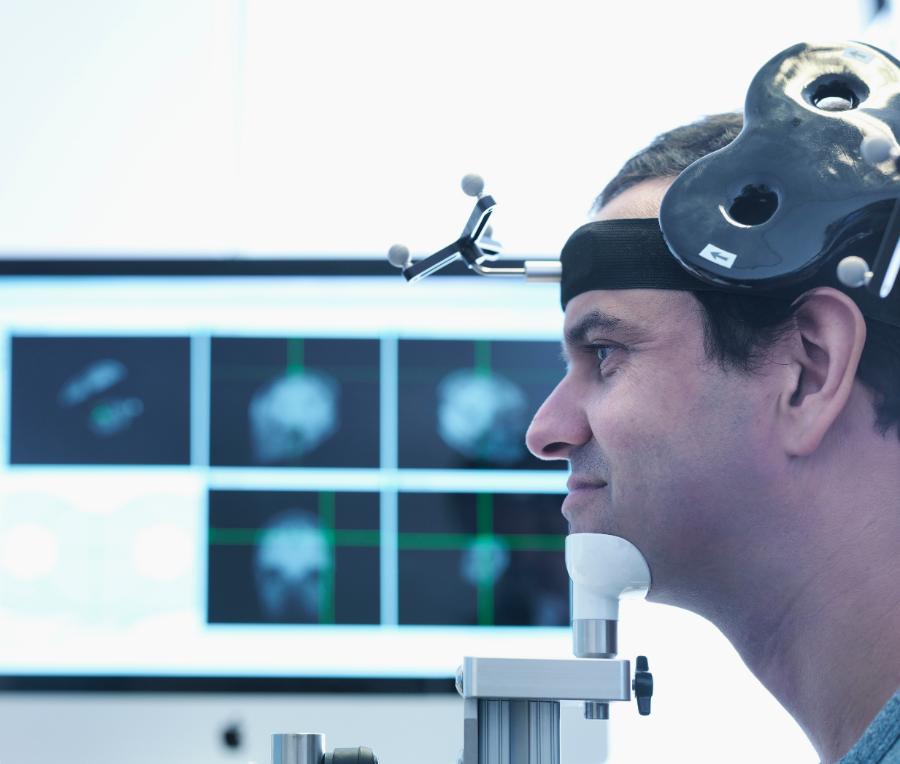
Electroconvulsive Therapy (ECT) and Transcranial Magnetic Stimulation (TMS) are both treatments used to address various mental health conditions, though they work in different ways. ECT has long been utilized as a treatment for severe depression, especially when other therapies fail, while TMS is a newer, non-invasive alternative gaining popularity. In this blog, we’ll discuss TMS vs ECT and what patients need to know before receiving these life-changing treatments.
Transcranial Magnetic Stimulation (also called TMS) is a revolutionary depression treatment approved by the Food and Drug Administration (FDA). TMS treatments are administered by licensed psychiatrists, psychiatric nurse practitioners, and other mental healthcare providers.
First-generation TMS is the original form of TMS that uses a figure-eight shaped magnetic coil to deliver targeted pulses to specific areas of the brain. This targets the dorsolateral prefrontal cortex, an area related to mood regulation and often underactive in people with depression. While effective for many, first-generation TMS requires precise patient positioning and can be limited by its single coil design which can sometimes be uncomfortable.
Deep TMS is a more advanced form of the treatment that uses a H-coil to reach deeper areas of the brain, including areas that traditional TMS can’t reach. This allows for a more comprehensive approach, treating broader areas related to mood disorders. By going deeper into the brain, deep TMS may be more effective for people who don’t respond to first-generation TMS or who need treatment for conditions that involve more complex brain networks.
Transcranial Magnetic Stimulation (TMS) is a promising, non-invasive treatment option for mental health conditions like depression, anxiety, and ADHD. Though it offers a number of benefits, it also comes with some limitations.
Pros:
Cons:
TMS is for patients with treatment resistant depression who have not responded to medication or therapy. It’s also for people with anxiety, ADHD and other mood disorders. It’s for those looking for a non invasive alternative to medication or more invasive treatments like ECT, especially if they want a treatment with fewer side effects. The differences between TMS vs ECT are vast but important to know.
Deep TMS vs ECT targets key brain regions involved in mood regulation, such as the prefrontal cortex, anterior cingulate cortex, and amygdala, by using magnetic pulses to modulate their activity. This stimulation enhances communication between brain networks, promoting neuroplasticity and restoring balance to areas linked to emotional processing and regulation. By adjusting neural activity in both cortical and subcortical regions, Deep TMS helps alleviate symptoms of depression, anxiety, and other mood disorders.
Here’s a breakdown of how Deep TMS works:
Electroconvulsive therapy (ECT) involves passing a controlled electric current through the brain to induce a brief seizure, which is believed to reset abnormal brain activity associated with severe mental health disorders.
Electroconvulsive Therapy (ECT) is a well-established treatment for severe mental health conditions, particularly in cases of treatment-resistant depression. While highly effective for many patients, it also carries certain risks and considerations.
Pros:
Cons:
TMS vs ECT is for people with severe treatment resistant depression, especially those who have not responded to other treatments or medications. It’s for certain mood disorders like bipolar or severe anxiety when other treatments fail. It’s for people in crisis or those who can’t tolerate medications due to side effects or other health issues.
Transcranial Magnetic Stimulation (TMS) is an innovative, non-invasive treatment that has proven effective in addressing various mental health conditions, particularly major depression. We're here to support you through your journey toward improved mental well-being.
Call us at 888-903-5505 or schedule an appointment online.






Monday - Friday: 8:00 am - 5:00 pm EST
Closed Saturday & Sunday