

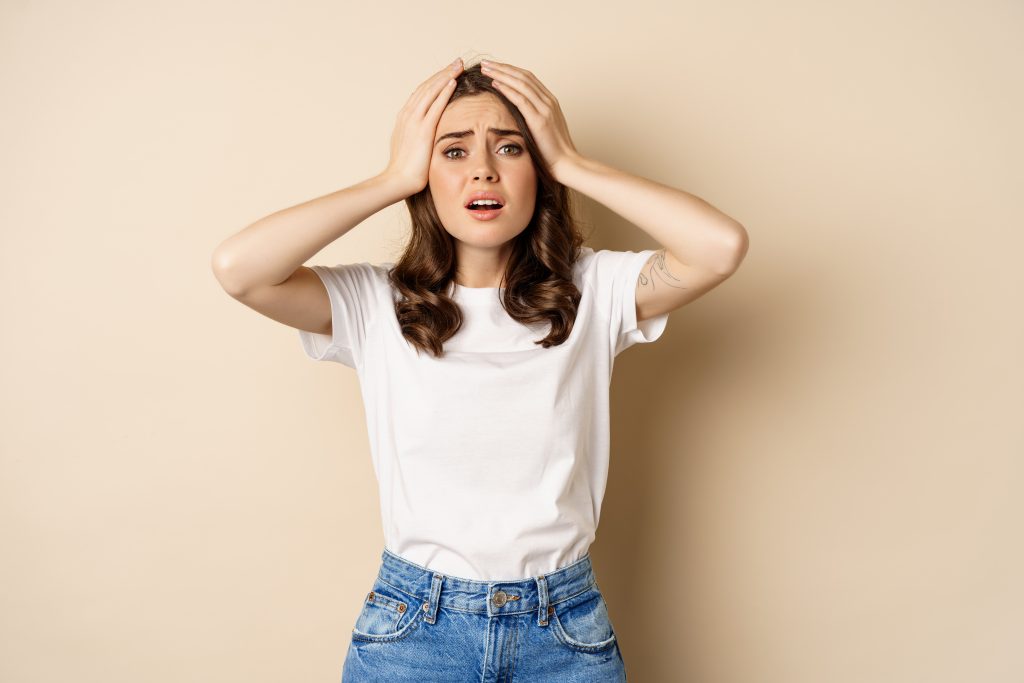
Crippling anxiety can make even simple tasks feel impossible, leaving you overwhelmed, exhausted, and unsure where to turn for relief. This type of severe anxiety goes beyond occasional worry—it can affect your relationships, work, and overall well-being. In this blog, we’ll explore five practical tips and proven treatment options to help you manage crippling anxiety, regain control, and start feeling like yourself again.
Crippling anxiety is a serious type of anxiety that can throw a wrench in a person’s everyday life. It’s more intense than just the usual worries or fears, often making it tough to think straight, function normally, or even tackle simple tasks like heading to work or chatting with friends.
Those who suffer from crippling anxiety might feel constantly overwhelmed by a sense of dread, racing thoughts, or even physical symptoms like shortness of breath and a racing heart.
Unlike the occasional jitters we all experience, crippling anxiety can make someone feel trapped in their own head. The emotional and physical toll can lead to avoiding situations, pulling away from social interactions, and fixating solely on their fears. Over time, this can take a toll on relationships, job performance, and overall well-being, making it crucial to seek professional help for recovery.
Everyday stress is a natural reaction to life’s ups and downs—it usually comes and goes as situations change. On the flip side, crippling anxiety doesn’t just fade away after a stressful moment passes. Instead, it sticks around and often gets worse, leading to ongoing worry and fear that feels way out of proportion to what’s actually happening. This kind of anxiety can mess with your decision-making, sleep, and focus, turning even the simplest tasks into monumental challenges.
While stress can sometimes push you to take action, crippling anxiety often does the opposite. It can leave you frozen in fear, making even the smallest responsibilities feel like too much to handle. The key difference is in how much control you have—people dealing with everyday stress can usually manage their feelings, while those grappling with crippling anxiety often feel overwhelmed by them, frequently needing therapy or medication to find their footing again.
Anxiety can really vary in intensity, from just a bit of discomfort to overwhelming fear that can take over your entire life. When it reaches its peak—often referred to as crippling anxiety—it can lead to panic attacks, relentless worry, and even physical symptoms like chest pain, dizziness, and shaking. At this level, many people find themselves avoiding social gatherings, work tasks, or anything that might set off their anxiety, which only makes them feel more isolated.
When anxiety gets this severe, it can seriously affect both your physical and mental well-being. Ongoing anxiety can lead to issues like high blood pressure, insomnia, and depression. Getting help early on—whether through therapy, lifestyle adjustments, or medication—can really help prevent anxiety from spiraling into something debilitating.
When anxiety hits hard, taking a moment to focus on your breath and grounding yourself can really help soothe both your body and mind. These techniques work wonders by slowing down your heart rate, reducing stress hormones, and bringing your attention back to the here and now, away from those overwhelming worries. Simple practices like the 4-7-8 breathing technique or just naming things you can see, hear, and feel can break those anxious thought cycles and offer quick relief. With time, these little habits can help you build resilience and lessen the severity of anxious moments.
Try these:
Stimulants such as caffeine, nicotine, and even excessive screen time can really amplify the symptoms of crippling anxiety. These triggers can ramp up your heart rate, make you feel more restless, and disrupt your sleep quality—making it even tougher to manage anxiety. Establishing a calming bedtime routine, cutting back on caffeine after noon, and keeping screens out of the bedroom can truly help your mind and body recover overnight. Getting quality sleep is essential; it helps balance your mood, boosts your focus, and enhances your ability to cope with stress.
Try these:
Anxiety can really take a toll, often fueled by twisted thoughts—like imagining the worst possible outcomes, grappling with self-doubt, and letting fears spiral out of control. But you can tackle these thought patterns! Techniques like cognitive restructuring can help you view situations in a more realistic light. Start by pinpointing those anxious thoughts, jotting them down, and questioning whether there’s any real evidence to support them. With time, you’ll train your brain to respond with a more balanced perspective rather than letting fear dictate your reactions.
Try these:
Exercise is one of the best natural ways to tackle crippling anxiety. When you get moving, your body releases endorphins—those wonderful feel-good chemicals that can lift your mood. Plus, it helps ease muscle tension and can lead to better sleep. You don’t need to dive into intense workouts; even a simple daily walk, some yoga, or gentle stretching can make a big difference in reducing anxiety. Regular movement teaches your nervous system to bounce back from stress more effectively.
Try these:
If anxiety is making it tough for you to get through your day, reaching out for professional help is a vital step on the road to feeling better. Therapists, psychiatrists, and counselors can offer you valuable tools, coping techniques, and sometimes medication to help keep those symptoms in check. Having a conversation with a professional can also shed light on what’s really driving your anxiety and help you create a tailored treatment plan that works for you. Remember, you don’t have to tackle anxiety by yourself—there’s effective help out there waiting for you.
Try these:
You might be facing crippling anxiety if your worries and fears feel so intense that they disrupt your everyday life. This can show up as constant overthinking, physical symptoms like a racing heart or dizziness, and a struggle to focus or unwind even when everything seems fine. Those grappling with crippling anxiety often feel stuck in a loop of dread, steering clear of situations or responsibilities that trigger their distress, which can lead to feelings of isolation and exhaustion over time. Spotting these signs early on is crucial for taking back control and finding effective ways to cope.
To tackle crippling anxiety, it’s all about calming your body and retraining your mind. Breathing exercises, mindfulness practices, and grounding techniques can help ease immediate panic, while cognitive behavioral therapy (CBT) aims to shift those negative thought patterns that fuel anxiety. Regular exercise, a solid sleep routine, and cutting back on stimulants like caffeine can also make a significant difference. Above all, consistency is essential—overcoming crippling anxiety is a journey that requires time, patience, and a supportive network.
It’s time to reach out for help with debilitating or crippling anxiety when your symptoms linger, worsen, or start to impact your ability to function at work, in relationships, or in your daily life. If you’re having frequent panic attacks, struggling to sleep, or feeling a constant, uncontrollable fear, professional treatment can be a game-changer in managing and recovering from anxiety. Therapists, psychiatrists, and support groups offer effective strategies and treatments to help reduce symptoms and restore emotional balance, so you don’t have to face anxiety on your own.
A trusted Texas psychiatrist can help you manage crippling anxiety with personalized, compassionate care. The right professional will take time to understand your symptoms, identify underlying causes, and create a treatment plan that fits your lifestyle. Whether through therapy, medication, or stress management techniques, finding the right psychiatrist can make a lasting difference in your mental health and overall well-being.
Don't let anxiety control your life. As the mental health landscape evolves, our commitment to delivering the highest quality of care remains the same.
We're here to support you through your journey toward improved mental well-being. Call us at 888-903-5505 or schedule an appointment online.
What are the causes of crippling anxiety?
Crippling anxiety often stems from a combination of genetic, environmental, and psychological factors. Chronic stress, trauma, or chemical imbalances in the brain can contribute to its intensity. People with crippling anxiety depression may also experience overlapping symptoms that worsen emotional and physical distress.
What are the symptoms of crippling anxiety?
Common symptoms of crippling anxiety include racing thoughts, shortness of breath, and overwhelming fear that feels impossible to control. Physical sensations like dizziness, heart palpitations, or sweating often accompany the emotional distress. A crippling anxiety test can help determine the severity and guide treatment options.
How do you treat a crippling anxiety disorder?
Treatment for crippling anxiety usually includes a mix of therapy, lifestyle changes, and sometimes crippling anxiety medication. Cognitive Behavioral Therapy (CBT) is particularly effective in changing thought patterns that fuel anxiety. Combining therapy with proper medication management can lead to lasting relief and improved quality of life.
What does crippling anxiety feel like?
Crippling anxiety feels like being trapped in constant fear and unease, even when nothing seems wrong. It can feel physically painful, with tense muscles, chest pressure, or panic sensations that make daily life exhausting. People experiencing crippling anxiety attacks may feel detached from reality or unable to function normally.
Can severe anxiety kill you?
While crippling anxiety itself is not fatal, it can cause intense physical reactions that mimic life-threatening conditions. The chronic stress from crippling anxiety can raise blood pressure, weaken the immune system, and contribute to heart problems over time. Managing it early is essential to prevent long-term health complications.
Can severe anxiety cause psychosis?
In rare cases, extreme and prolonged crippling anxiety can trigger temporary psychosis, especially in individuals with preexisting vulnerabilities. When anxiety reaches its peak, the brain can struggle to separate fear from reality. This highlights the importance of coping with crippling anxiety through therapy and professional support.
Can severe anxiety cause dizziness?
Yes, crippling anxiety often causes dizziness due to hyperventilation or changes in blood flow during panic episodes. The body’s fight-or-flight response can make you feel lightheaded or off balance. Practicing grounding techniques can help regain control and reduce the intensity of these physical symptoms.
Can severe anxiety cause nausea?
Crippling anxiety frequently affects the digestive system, leading to nausea or stomach pain. Stress hormones can disrupt digestion, causing discomfort that worsens during panic or anxiety attacks. Learning relaxation exercises is an important part of dealing with crippling anxiety and easing physical distress.
Can severe anxiety cause high blood pressure?
Yes, repeated episodes of crippling anxiety can temporarily raise blood pressure due to adrenaline surges. Over time, this constant stress response can strain the cardiovascular system. Managing stress through therapy, exercise, and relaxation techniques can reduce these spikes and improve overall health.
Can anxiety be crippling?
Absolutely—when anxiety disrupts daily functioning and relationships, it’s considered crippling anxiety. It can prevent people from working, socializing, or even leaving their homes. Recognizing the severity is the first step in seeking help and regaining control over your life.
What’s crippling anxiety?
Crippling anxiety is a severe form of anxiety that interferes with your ability to function normally. It can cause intense panic, emotional paralysis, and avoidance of everyday situations. People experiencing crippling anxiety depression may feel both mentally drained and physically unwell.
How to handle crippling anxiety?
Handling crippling anxiety involves developing healthy coping mechanisms like deep breathing, mindfulness, and regular exercise. Building a strong support system and seeking therapy are also crucial. Over time, consistent strategies for coping with crippling anxiety can reduce the frequency and intensity of episodes.
How to treat crippling anxiety?
Effective treatment for crippling anxiety includes therapy, lifestyle adjustments, and sometimes crippling anxiety medication. Working with a mental health professional helps tailor a plan that fits individual needs. Combining therapy with relaxation techniques can restore confidence and emotional balance.
What to do when you have crippling anxiety?
When you experience crippling anxiety, focus on grounding yourself through slow breathing and mindful awareness. Avoid caffeine or other stimulants that can heighten panic symptoms. Seeking professional support is essential for dealing with crippling anxiety and preventing long-term distress.
How to fix crippling anxiety?
Fixing crippling anxiety involves patience, self-awareness, and consistent treatment. Therapy, medication, and daily self-care practices work best when used together. By addressing both emotional triggers and physical symptoms, recovery becomes a realistic and achievable goal.
What is considered crippling anxiety?
Crippling anxiety is defined by its intensity and the degree to which it disrupts daily life. It can lead to panic, isolation, and avoidance behaviors that make functioning nearly impossible. Identifying it early and taking a crippling anxiety test can help determine the best path to recovery.
What does crippling anxiety look like?
Crippling anxiety may look like constant worry, panic attacks, or emotional withdrawal. A person may appear calm outwardly but feel overwhelmed inside. Understanding these signs can help in dealing with crippling anxiety before it worsens.


Monday - Friday: 8:00 am - 5:00 pm EST
Closed Saturday & Sunday


