

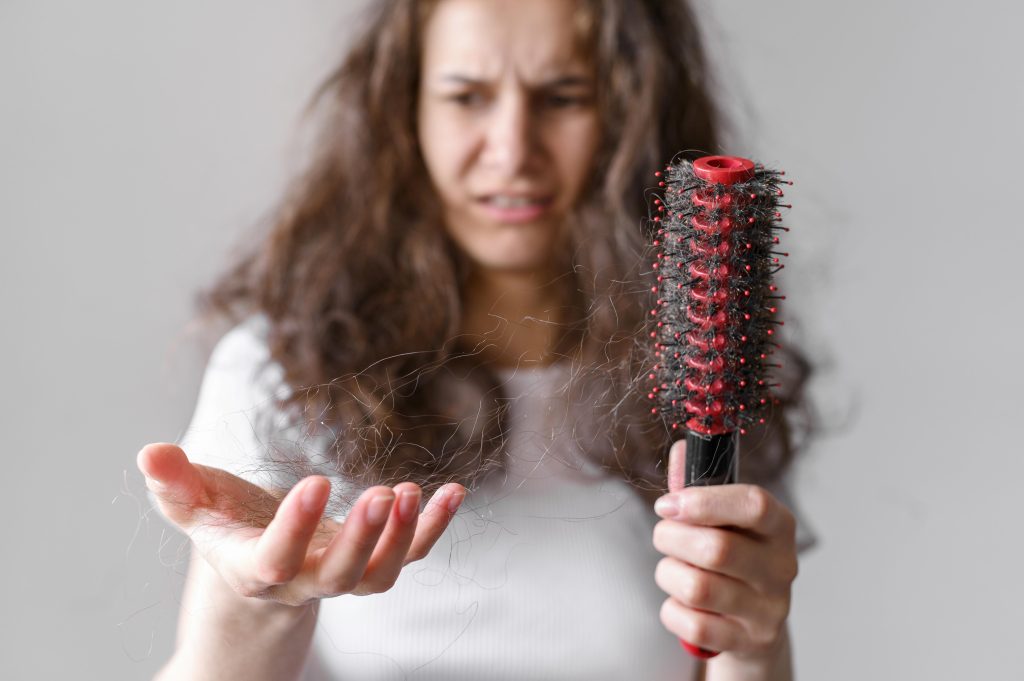
Depression and hair loss often go hand in hand, leaving many people curious about whether there’s a real link between the two. The emotional stress and hormonal shifts that come with depression can throw off the hair growth cycle, resulting in noticeable thinning or shedding. By understanding the connection between depression and hair loss, you can take meaningful steps toward both emotional healing and physical recovery. In this blog, we’ll explore what causes this relationship, common triggers, and effective treatments to promote hair regrowth.
Absolutely, depression can play a role in hair loss, and it all comes down to how emotional distress affects our body’s biological systems. When someone is dealing with ongoing depression, their body tends to release higher levels of cortisol and other stress hormones. This can throw off the normal growth cycle of hair follicles, causing them to enter a resting phase too soon. As a result, you might notice thinning or shedding over time. For many, the link between depression and hair loss becomes clearer during or after a tough depressive episode, as the body starts to bounce back from the stress.
On top of hormonal changes, depression can also worsen hair loss indirectly through shifts in lifestyle and nutrition. Those grappling with depression might not eat well, skip meals, or have trouble sleeping, all of which can negatively impact the health of the scalp and hair follicles. These habits make it tougher for the body to support healthy hair growth. It’s crucial to recognize the connection between depression and hair loss because tackling both mental health and physical symptoms together often leads to better recovery and overall well-being.
Chronic stress sets off a chain reaction of hormonal changes that can seriously impact hair growth and strength. When cortisol levels rise, they disrupt the normal hair cycle by cutting the growth phase short and extending the shedding phase. This can lead to temporary thinning or sudden hair loss, especially during particularly stressful times. Hormonal shifts, like those that happen during pregnancy, menopause, or thyroid issues, can also make this situation worse. Many people who face both depression and hair loss find that managing stress through therapy, exercise, or relaxation techniques can help restore balance and encourage regrowth.
Hair loss in men is often influenced by genetics, hormones, and lifestyle factors. Understanding these causes can help identify effective treatment and prevention strategies.
Hair loss in women can result from hormonal changes, health conditions, or stress-related factors. Recognizing the underlying cause is key to finding the right treatment.
Certain prescription and over-the-counter medications can lead to temporary or even long-term hair shedding. These medications often impact hormone levels, how well your body absorbs nutrients, or the natural growth cycle of your hair. If you've noticed a sudden increase in thinning after starting a new medication, it's really important to talk to your healthcare provider.
Common medications linked to hair loss include:
The great news is that a lot of hair loss can actually be reversed if you take the right steps. Treatments usually aim to tackle the root cause, whether that's hormonal issues, nutritional deficiencies, or stress. Based on what your diagnosis reveals, your healthcare provider might suggest medical treatments, lifestyle changes, or even holistic approaches.
Popular treatment options include:
If you’re noticing sudden or unexplained hair loss, it’s important to reach out to a healthcare professional. This kind of rapid shedding could be a sign of something more serious, like a thyroid issue, a lack of essential nutrients, or even depression. Getting checked out early on can help pinpoint the problem and stop any further hair loss. It’s especially crucial to seek medical advice if your hair loss comes with other symptoms like fatigue or mood swings.
A Texas psychiatrist can play a key role in identifying how mental health issues like anxiety or depression may contribute to physical symptoms such as hair loss. They can evaluate whether medication side effects or stress are part of the problem and recommend personalized treatment options.
As the mental health landscape evolves, our commitment to delivering the highest quality of care remains the same.
We're here to support you through your journey toward improved mental well-being. Call us at 888-903-5505 or schedule an appointment online.
Can hair loss be caused by depression?
Yes, hair loss can be caused by depression due to the body’s stress response disrupting normal hair growth cycles. When someone experiences prolonged emotional distress, hair follicles may prematurely enter a resting phase. Many people notice shedding several weeks after a severe depressive episode linked to depression and hair loss.
Does depression and stress cause hair loss?
Depression and stress can both contribute to noticeable hair thinning or shedding. These conditions elevate cortisol levels, which can negatively impact scalp health and hair growth. In some cases, postpartum depression and hair loss can occur together due to hormonal and emotional changes.
Can depression and anxiety cause hair loss?
Yes, depression and anxiety can cause hair loss by triggering chronic stress that affects hair follicles. Over time, this stress can slow down hair regeneration and increase shedding. Managing both mental health and scalp health is essential to minimize depression and hair loss.
Why does depression cause hair loss?
Depression affects hormone balance and increases stress hormones that interfere with normal hair growth. When the body is in prolonged distress, it prioritizes vital functions over nonessential ones like hair production. This link between depression and hair loss can become more visible during recovery phases.
Does depression affect hair loss?
Yes, depression can affect hair loss by altering nutrient absorption and increasing inflammation in the scalp. These physiological changes make hair weaker and more prone to falling out. The connection between postpartum depression and hair loss further highlights the emotional and hormonal factors at play.
Does depression cause hair loss in men?
Depression and hair loss in men are often connected due to stress-related hormone imbalances and poor sleep patterns. Male hair thinning can worsen when depression is accompanied by anxiety or medication side effects. Treating the underlying mood disorder often improves overall hair health over time.
Does depression affect hair?
Yes, depression can affect hair texture, strength, and growth rate. Emotional stress can make hair appear dull or brittle, contributing to breakage. Early treatment for depression and hair loss can help restore both emotional and physical well-being.
Can depression stop hair growth?
Severe depression can slow or even temporarily stop new hair growth in some individuals. Chronic stress and chemical imbalances limit the nutrients that reach hair follicles. Those recovering from postpartum depression and hair loss may also experience delayed regrowth before normal cycles resume.
What depression medications cause hair loss?
Certain antidepressants can lead to temporary hair shedding as a side effect. Medications like SSRIs and SNRIs may alter hormone levels that influence the hair growth cycle. If depression and hair loss occur together after starting medication, consult a doctor about alternative options.
What does depression hair loss look like?
Depression-related hair loss often appears as diffuse thinning across the scalp rather than in patches. People may notice increased shedding during brushing or washing. Over time, depression and hair loss can cause noticeable volume reduction that improves once mental health stabilizes.


Monday - Friday: 8:00 am - 5:00 pm EST
Closed Saturday & Sunday


