

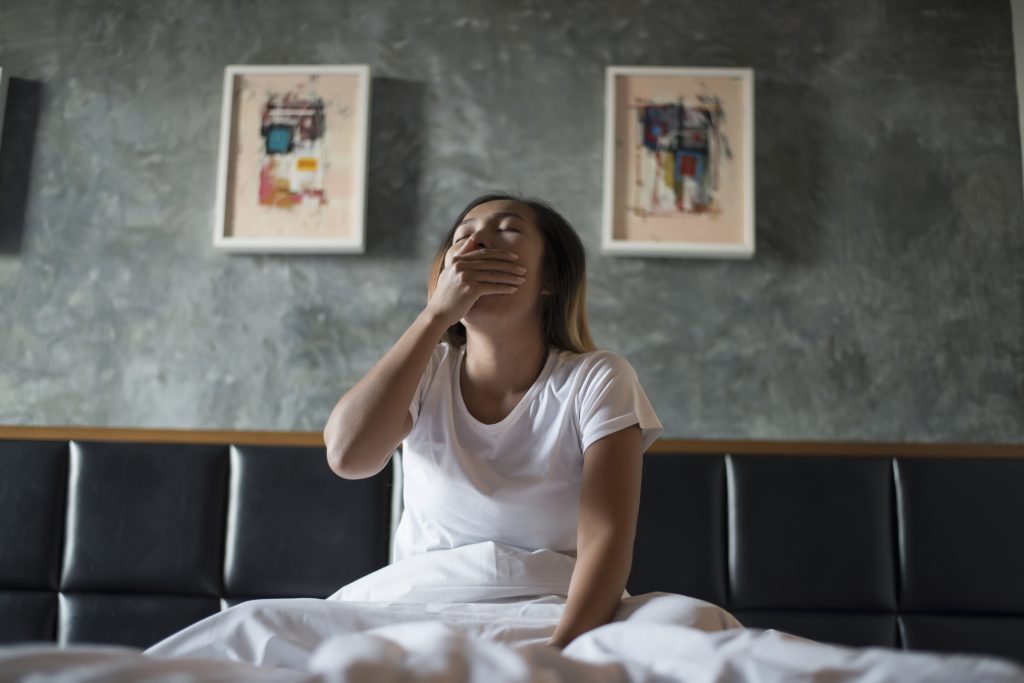
Waking up with anxiety can feel like a heavy weight on your chest, making it difficult to start your day on the right foot. If you've ever asked yourself, "How do I stop waking up with anxiety?", you're not alone. Anxiety in the morning can stem from various factors like stress, poor sleep, or underlying mental health issues. Fortunately, there are simple yet effective strategies you can implement to calm your mind and reduce those anxious feelings. In this post, we’ll explore 5 easy-to-follow strategies to help you wake up feeling more relaxed and in control.
Anxiety is a completely normal reaction to stress or potential threats, gearing our bodies up to either confront or escape from danger. It often comes with feelings of fear, worry, or nervousness. This physiological response is a crucial survival tool that keeps us alert and focused. For instance, feeling a bit anxious before a big presentation or exam is normal and can even help us stay on our toes.
Some common signs of anxiety include a racing heart, sweating, shallow breathing, and a general sense of unease. While experiencing anxiety from time to time is just part of being human, chronic or severe anxiety can take a toll on both our mental and physical well-being.
It’s important to differentiate between normal, temporary feelings of anxiety and an anxiety disorder. While everyone experiences anxiety from time to time, an anxiety disorder is persistent, often overwhelming, and can disrupt daily life.
Anxiety disorders often require treatment, such as therapy or medication, to manage symptoms and improve quality of life
Morning anxiety refers to the heightened feelings of stress or nervousness that often occur upon waking up. There are several factors that may contribute to waking up with anxiety:
Certain individuals are more prone to waking up with anxiety. Here are some of the groups at higher risk:
Mindfulness is all about being in the moment and truly engaging with what's happening around you. By weaving mindfulness into your bedtime routine, you can calm your mind and lower stress levels, which helps you wake up feeling less anxious. A peaceful mind at night often sets the stage for a more relaxed morning.
Exercise:
Asking yourself, "How do I stop waking up with anxiety?" is normal. Keep reading for more tips and solutions.
A slow and gentle morning routine can set a positive vibe for the entire day. When you wake up feeling anxious, it often gets worse if you jump straight into a hectic or overwhelming start. By beginning your day with some calm activities, you can better manage stress and keep those anxious thoughts at bay.
Exercise:
Caffeine and too much screen time can rev up your brain, making it tough to drift off to sleep and increasing the chances of waking up feeling anxious. Cutting back on both can help keep your mind relaxed and stop anxiety from sneaking in after you wake up.
Exercise:
Taking deep breaths can help ease those pesky physical signs of anxiety, like when your heart starts racing or you feel short of breath. If you make breathing exercises a part of your nightly routine, you might just find that you wake up feeling less anxious and more at ease in the morning
Exercise:
Creating a peaceful sleep environment is essential for avoiding those morning anxiety feelings. When your room is quiet, dark, and cozy, your body can slip into deep sleep more easily, allowing you to wake up feeling refreshed rather than anxious.
Exercise:
Making small, steady changes to your lifestyle can boost your mental health and help ease anxiety over time. By weaving healthy habits into your daily routine, you can lessen how often and how intensely you wake up feeling anxious.
These lifestyle changes can create a strong foundation for managing anxiety, making it easier to face each day with a calmer mind.
For anyone dealing with chronic or severe anxiety, seeking professional help can be crucial for managing those overwhelming feelings. Treatment options for anxiety can vary widely, including therapy, medication, or a mix of both, depending on how intense your symptoms are.
If you find that your anxiety is significantly affecting your quality of life, it's important to consult with a healthcare professional for personalized treatment options.
Don't let anxiety control your life. As the mental health landscape evolves, our commitment to delivering the highest quality of care remains the same.
We're here to support you through your journey toward improved mental well-being. Call us at 888-903-5505 or schedule an appointment online.
FAQs about Waking Up with Anxiety
Why do I wake up with anxiety attacks?
Waking up with anxiety attacks can be caused by a mix of stress, hormonal fluctuations, or disrupted sleep patterns. It's common for the body to go from a restful state to an anxious one if you're stressed or have unresolved concerns. Waking up with anxiety in the middle of the night can also lead to panic attacks or heightened anxiety symptoms.
Is anxiety worse in the morning?
Yes, anxiety can feel more intense in the morning. Cortisol, the stress hormone, is highest upon waking, which can amplify feelings of anxiety. Waking up with anxiety and nausea, or waking up with anxiety heart racing, can make mornings especially tough.
What does waking up with anxiety feel like?
Waking up with anxiety can feel like a rush of fear or nervousness, often accompanied by physical symptoms. You might experience waking up with anxiety, chest pain, a racing heart, or tightness in your chest, making it hard to calm down or get out of bed.
How to stop waking up with anxiety attacks?
To stop waking up with anxiety attacks, try establishing a consistent bedtime routine, avoid caffeine, and practice relaxation techniques. Regular exercise and mindfulness can help reduce waking up with anxiety symptoms and create a more peaceful morning.
Why do you wake up with anxiety?
Waking up with anxiety, especially for no reason, might be linked to your body's natural stress response. Anxiety can also be triggered by sleep disorders, emotional stress, or past trauma. Waking up with anxiety attacks could indicate that you're processing unresolved feelings while you sleep.
Why do I wake up with anxiety after a nap?
Waking up with anxiety after a nap can occur because your body isn't fully rested. Naps can disrupt your circadian rhythm, leaving you feeling groggy or more vulnerable to anxiety. The sudden transition from sleep to wakefulness can trigger symptoms like waking up with anxiety, heart racing or even nausea.
Why am I waking up with anxiety attacks?
Waking up with anxiety attacks can be due to various factors such as stress, mental health conditions, or even physical health problems. Anxiety might be a residual effect of emotional tension that builds overnight, causing the body to react with panic when you wake up.
Why do I wake up with anxiety after drinking?
Waking up with anxiety after drinking alcohol is common because alcohol disrupts the balance of neurotransmitters, which can heighten anxiety. You may experience waking up with anxiety and nausea or waking up with anxiety chest pain as your body processes the aftereffects of alcohol.
Why am I waking up with anxiety?
Waking up with anxiety for no reason can be frustrating. It may be caused by lingering stress, poor sleep hygiene, or even an underlying mental health condition like generalized anxiety disorder. Over time, unresolved anxiety can make waking up with anxiety attacks more frequent.


Monday - Friday: 8:00 am - 5:00 pm EST
Closed Saturday & Sunday


