

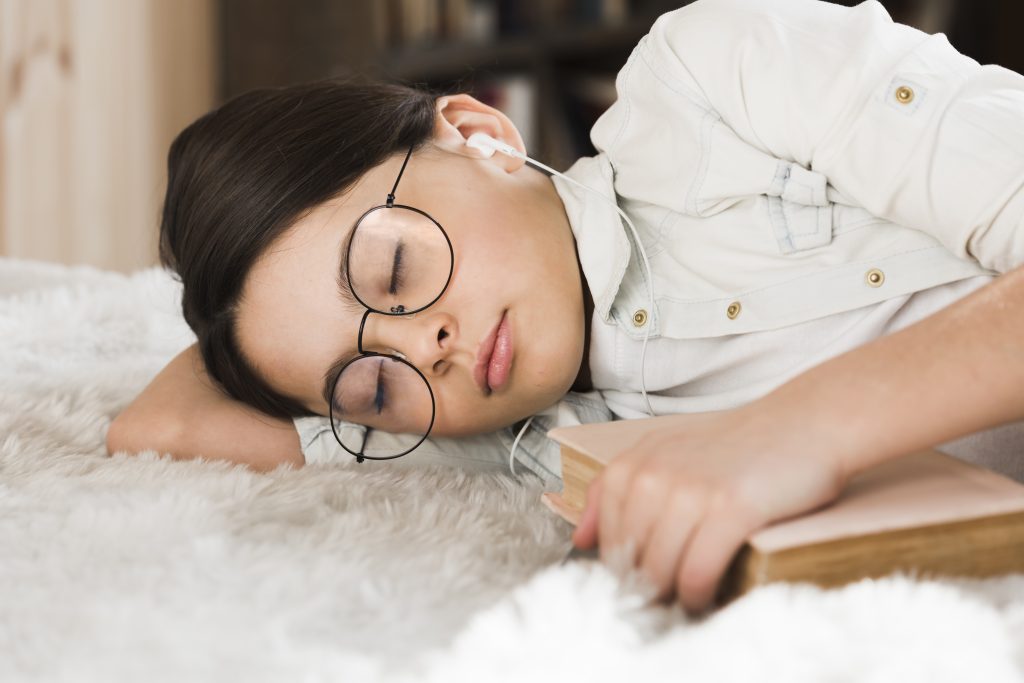
Understanding napping basics can help you recharge your mind and body without disrupting your nighttime sleep. Knowing how long a nap should be is key to waking up refreshed instead of groggy. In this blog, we’ll explore the ideal nap length, timing, and simple tips to make every nap a quick energy reset.
Napping is that little slice of sleep we grab during the day to recharge our batteries and sharpen our focus. It might seem straightforward, but the timing and length of your nap can really make a difference in how revitalized you feel afterward.
Knowing the ideal duration for a nap can be the key to waking up refreshed instead of groggy. There are various types of naps, each serving its own purpose—from quick power naps that give you a jolt of alertness to longer ones that enhance memory and creativity. Whatever your reason for napping, understanding how long to nap can help you strike the perfect balance of rest without messing with your nighttime sleep.
Squeezing in naps during the day can lift your mood, sharpen your focus, and boost your cognitive abilities. They can also help lower stress levels and keep your emotions in check, especially on those hectic or sleep-deprived days. By knowing the right length for a nap, you can enjoy these perks without throwing off your sleep schedule.
Some benefits include:
How Long Should a Nap Be for Kids of Different Ages
Napping plays a vital role in a child’s growth, learning, and emotional regulation. Understanding how long a nap should be for different age groups helps parents create routines that support healthy development. As children grow, their sleep needs change, and so does the ideal nap length—from multiple naps a day in infancy to quiet rest time for older toddlers.
Generally, younger children need longer and more frequent naps, while older kids transition to shorter rest periods. Following age-appropriate nap guidelines ensures your child stays rested, focused, and happy throughout the day.
Recommended Nap Lengths by Age:
American Academy of Pediatrics maintains a set of guidelines for nap lengths recommended by age (these guidelines are subject to change so it is best to visit the link above to locate ht emost up-to-date recommendations):
When it comes to napping, the length of time you snooze really matters. Figuring out how long a nap should be can help you maximize its benefits without waking up feeling groggy. Generally, a quick power nap of about 10 to 30 minutes is perfect for a little boost, while anything longer than an hour might leave you with that dreaded sleep inertia or mess with your nighttime sleep.
Feel free to play around with different nap lengths to discover what suits your body and daily routine best. The goal is to hit that sweet spot where you wake up feeling refreshed instead of drained.
The ideal time for a nap really hinges on your daily schedule, but most folks find that an early afternoon snooze works wonders. Knowing how long a nap should be can help you time it just right—typically between 1 p.m. and 3 p.m.—when your energy tends to take a dip.
Napping too late in the day can throw off your ability to fall asleep at night, so if you can, try to keep it earlier. A well-timed nap can give your body the reset it craves to tackle the rest of your day with renewed energy.
Power naps are those quick, intentional breaks—typically lasting between 10 to 30 minutes—that can really recharge your mind and body. They’re all about boosting your alertness, sharpening your focus, and ramping up your productivity without that dreaded grogginess afterward.
Knowing the ideal duration for a nap is key to waking up feeling refreshed and ready to tackle the rest of your day. These little naps can also lift your mood, enhance your memory, and spark your creativity by giving your brain a much-needed breather. They’re particularly beneficial during those long workdays, while traveling, or whenever you’re feeling mentally drained. When done right, power naps can significantly improve how you feel and perform throughout the day.
Getting the hang of how to power nap effectively can really change how energized you feel afterward. The aim is to rest your body without slipping into deep sleep, which can leave you feeling groggy. Understanding the right length for your nap helps you plan for the ultimate refreshment.
Try these tips:
If you find yourself battling that mid-day slump, tweaking your nap routine could really help. The key is understanding how long your nap should be and setting up a cozy environment that helps you drift off quickly. Even a quick snooze can do wonders for your brain if you plan it just right.
Follow these steps:
Small changes can make your naps more restorative and effective. Understanding how long a nap should be is key, but your overall sleep hygiene matters too. By adjusting your habits, you can make napping a consistent, healthy part of your routine.
Keep in mind:
Wrapping your head around how long a nap should be can really change the way you recharge each day. Whether you’re sneaking in a quick power nap or taking a longer break in the afternoon, the trick is to strike the right balance between time, setting, and routine. Napping isn’t just about catching up on sleep—it’s a fantastic way to boost your focus, lift your mood, and enhance your overall well-being.
By tuning into your body and following these straightforward tips, you can weave naps into your self-care routine with purpose. Just remember, even a brief moment of rest can make a huge difference in helping you feel more alert, relaxed, and ready to tackle whatever comes your way.
A trusted New York psychiatrist can help you navigate anxiety, depression, or other mental health challenges with personalized care. Whether you’re seeking therapy, medication management, or both, finding the right fit is essential for lasting progress. Take the time to choose a psychiatrist who listens, understands your needs, and supports your path to better mental wellness.
If you're experiencing insomnia, it's important to consult a healthcare expert. Getting help early on can enhance treatment effectiveness and boost your quality of life.
As the mental health landscape evolves, our commitment to delivering the highest quality of care remains the same.
We're here to support you through your journey toward improved mental well-being. Call us at 888-903-5505 or schedule an appointment online.
How many naps for 11 month old?
At 11 months, most babies take 2 naps a day as part of their 10 month old napping schedule. It’s important to maintain consistency with how long a nap should be—usually around 1 to 1.5 hours each. Creating a calming environment with soft music for napping and a comfortable napping mat can help promote better rest.
How many naps at 6 months?
A 6-month-old typically takes 3 naps per day, depending on their energy levels and feeding schedule. Parents often wonder how long a nap should be, and at this stage, 30 minutes to 2 hours is ideal. Establishing a gentle napping schedule with an ideal napping time mid-morning, early afternoon, and late afternoon helps maintain healthy sleep habits.
Are naps good for muscle growth?
Yes, naps support muscle recovery and growth because growth hormones are released during sleep. Knowing how long a nap should be is key—about 30–90 minutes allows the body to repair itself effectively. Athletes sometimes use napping pods to enhance rest and muscle recovery between training sessions.
When is National Napping Day 2025?
National Napping Day 2025 falls on March 10, the day after daylight saving time begins. It’s the perfect time to honor rest, reflect on how long a nap should be, and reset your body clock. Many workplaces even set up quiet rooms or napping mats for employees to recharge during this special day.
Where you napping the hardest?
People often say they nap the hardest in cozy environments—like a quiet corner, on a soft napping mat, or even in napping pods. How long a nap should be depends on your fatigue level, but 20–30 minutes usually prevents grogginess. The right environment, including music for napping, can make a big difference in nap quality.
What nap length is best?
Experts say how long a nap should be depends on your goals: 20 minutes for alertness or 90 minutes for full recovery. The ideal napping time is usually early afternoon to avoid disrupting nighttime sleep. Using a comfortable napping mat and dim lighting helps maximize the benefits.
Why napping is good?
Napping improves mood, concentration, and overall health when you know how long a nap should be. The ideal napping time allows your brain to reset and enhances memory. For babies, a proper 10 month old napping schedule supports cognitive growth and physical development.
Does napping work?
Yes, napping works by restoring alertness and improving learning and memory. The key is knowing how long a nap should be to avoid grogginess—typically 20 to 30 minutes. Having a comfortable napping mat or a peaceful space can make naps more effective.
How much napping is normal?
How long a nap should be and how often depends on age—infants nap several times daily, while adults may only need one short nap. A consistent napping time helps regulate circadian rhythms. For babies, following a napping schedule for 2 month old or older ensures proper rest and development.
Can napping cause dementia?
There’s limited evidence linking excessive daytime napping to cognitive decline, but balance is key. Knowing how long a nap should be—no longer than an hour—helps maintain healthy sleep patterns. Regular exercise and sticking to an ideal napping time can reduce dementia risks.
Can napping become a habit?
Yes, napping can become a habit if done consistently at the same time each day. The key is to know how long a nap should be so it complements nighttime sleep. Setting up a routine with a comfortable napping mat or soothing music for napping reinforces positive rest habits.
Can napping cause insomnia?
Long or late naps can interfere with nighttime sleep and contribute to insomnia. How long a nap should be matters—a short nap under 30 minutes is best. Avoiding napping time too close to bedtime helps prevent sleep disruptions and headaches after napping.


Monday - Friday: 8:00 am - 5:00 pm EST
Closed Saturday & Sunday


