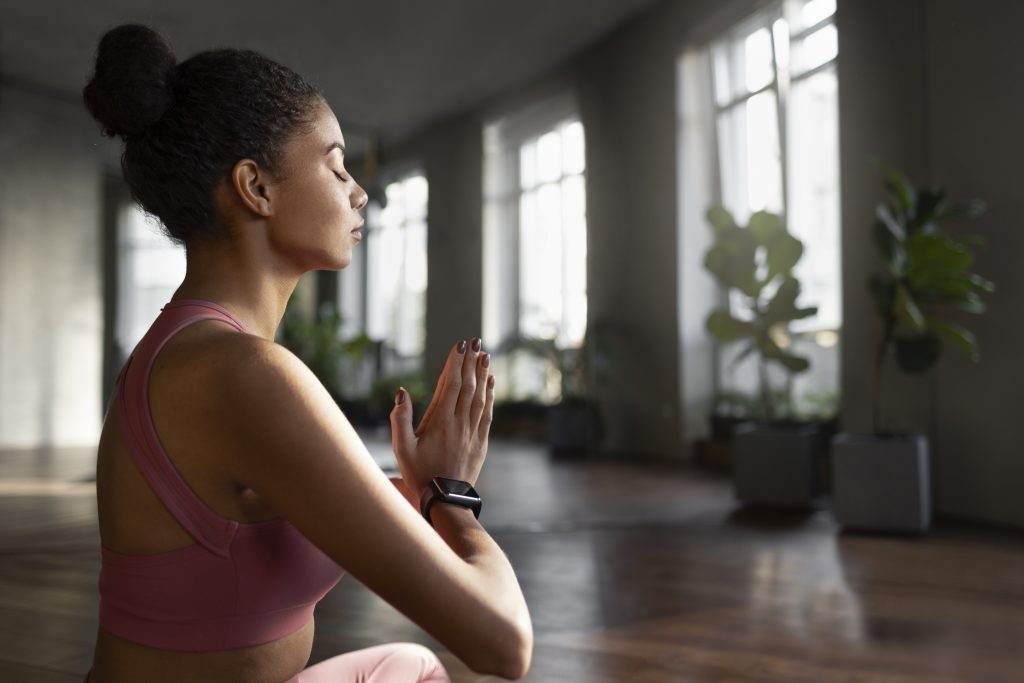
Meditation has recently become popular as a go-to practice for boosting mental well-being, easing stress, and finding emotional balance. A lot of folks think meditation is super complicated or that you need years of training to get started, but the truth is, just learning a few basics can help anyone tap into its benefits. With regular practice, even the simplest techniques can lead to relaxation, clearer thinking, and better overall health.In this blog, we’re going to dive into the fundamentals of meditation, uncover the science that supports it, discover who can reap its benefits, and learn how to set yourself up for a straightforward and rewarding meditation practice.
Research has shown that meditation can have a profound effect on how our brains work and how we manage our emotions. Brain imaging studies reveal that regular meditation might lower activity in the brain's stress response system while enhancing areas linked to focus and emotional control. Grasping these meditation fundamentals sheds light on why so many mental health professionals suggest incorporating meditation into a healthy lifestyle.
Sticking with meditation can help ease anxiety, stabilize mood, and promote better sleep patterns. By slowing down our breathing and fostering mindful awareness, meditation helps the body transition from a heightened stress response to a more relaxed state. Over time, these benefits can lead to greater resilience and improved mental health outcomes.
Meditation is a versatile practice that can help people from all walks of life and age groups. Learning the basics can be a game-changer for students dealing with academic pressure, professionals facing workplace stress, or anyone simply wanting to enhance their emotional balance and focus.
Many individuals turn to meditation to support their mental wellness goals, whether that's reducing anxiety, boosting concentration, or managing everyday stress. It can also work hand-in-hand with other mental health strategies like therapy, exercise, and good sleep habits. Since meditation can be tailored to fit personal preferences, it remains accessible for both beginners and seasoned practitioners alike.
Before you dive into a meditation session, it’s a good idea to set up a space that encourages relaxation and concentration. Grasping a few basic principles of meditation can really help make the experience feel less daunting and much more rewarding for those just starting out.
Preparing properly can make meditation sessions more comfortable and productive. Consider the following steps to get started:
Learning various meditation techniques can really help you find what suits your mind and lifestyle best. While the basics of meditation often begin with simple breathing or awareness exercises, trying out different methods can enhance your emotional balance, lower stress levels, and boost mental clarity. Here are some beginner-friendly techniques that you can easily weave into your daily routine.
Mindfulness meditation is all about being present and observing your thoughts, feelings, and surroundings without any judgment. This technique helps you cultivate awareness of the here and now and is one of the most popular methods for those just starting out with meditation.
Try these:
Loving-kindness meditation, often referred to as Metta meditation, is all about nurturing feelings of compassion and goodwill, both for yourself and for others. When you practice this technique alongside the basics of meditation, it can really help foster emotional warmth and cut down on that pesky negative self-talk.
Try these:
Body scan meditation is all about tuning into the physical sensations that flow through your body. This practice not only helps you reconnect with yourself but also allows you to let go of tension. It's a fantastic way to get started with meditation, especially if you're looking to manage stress more effectively.
Try these:
Breath awareness meditation is all about tuning into the natural rhythm of your breath. This straightforward technique is often seen as one of the fundamental practices of meditation because it helps soothe the nervous system and enhances focus.
Try these:
Progressive muscle relaxation is all about blending mindfulness with a gentle awareness of your body. It involves intentionally tensing and then relaxing different muscle groups. When you practice this technique along with some basic meditation, it can really help ease physical tension and encourage a deeper sense of relaxation throughout your entire body.
Try these:
Making meditation a regular part of your life starts with grasping the basics and setting achievable goals. Instead of diving into lengthy sessions right off the bat, many newcomers find it helpful to start with just five to ten minutes each day. Picking a specific time—like early in the morning or right before bed—can help you establish a routine that feels more manageable over time.
When it comes to building meditation habits, consistency trumps duration. Going back to the fundamentals, such as focusing on your breath or practicing mindfulness, can make the whole experience feel straightforward and doable. With regular practice, you’ll likely notice improvements in your mental clarity, a reduction in stress, and meditation becoming a seamless part of your daily wellness journey.
It’s not unusual for beginners to face hurdles when they first dive into meditation, like struggling to concentrate or feeling restless during their sessions. It’s perfectly normal for your mind to wander, especially in the beginning. Instead of seeing this as a setback, try gently bringing your focus back to your breath or whatever you’re concentrating on.
Another frequent challenge is the need for patience and consistency. Progress in meditation often unfolds slowly, and it might take a while before you start to see noticeable benefits. Kicking things off with shorter sessions, creating a cozy environment, and sticking to a regular practice can help you navigate these challenges and make meditation a lasting part of your mental health routine.
If you're looking for support with anxiety, depression, stress, or any other mental health issues, an Ohio psychiatrist can offer you the professional guidance you need. Choosing the right provider is a crucial step in enhancing your well-being. Many psychiatrists create personalized treatment plans that might include therapy, medication management, and holistic approaches to help you maintain long-term mental health.
Don't let anxiety control your life. As the mental health landscape evolves, our commitment to delivering the highest quality of care remains the same.
We're here to support you through your journey toward improved mental well-being. Call us at 888-903-5505 or schedule an appointment online.
What is meditation?
Meditation is a mental practice that involves focusing attention and calming the mind. Many people use meditation to reduce stress and improve emotional balance. The practice can include breathing exercises, mindfulness, or guided techniques. With regular meditation, individuals may experience improved focus and greater mental clarity.
How long should beginners meditate?
Beginners often start with short meditation sessions lasting five to ten minutes. This allows the mind and body to gradually adjust to the practice without feeling overwhelmed. Over time, meditation sessions can be extended as comfort and focus improve. The most important factor is consistency rather than the length of meditation.
Can meditation help reduce stress?
Many people practice meditation specifically to manage daily stress. Meditation encourages slow breathing and mindful awareness, which can help calm the nervous system. Research suggests that regular meditation may reduce stress-related symptoms and improve emotional regulation. Even a few minutes of meditation each day can support relaxation.
Is meditation connected to religion?
Meditation has roots in several spiritual and cultural traditions. However, modern meditation is often practiced in a secular way for mental health and wellness. Many people approach meditation simply as a technique for relaxation and mindfulness. This makes meditation accessible to individuals of all beliefs and backgrounds.
What is the best time of day to meditate?
There is no single best time for meditation because it depends on personal routines. Some people prefer morning meditation to start the day with focus and calmness. Others find that meditation in the evening helps them unwind and relax before sleep. The best meditation schedule is one that fits consistently into your daily routine.
Do I need special equipment to meditate?
You do not need expensive tools or equipment to practice meditation. Many people simply sit in a comfortable position in a quiet space. Some individuals choose to use a cushion, meditation app, or calming music to enhance the experience. Ultimately, meditation can be practiced almost anywhere with minimal preparation.
What should I do if my mind keeps wandering?
It is completely normal for the mind to wander during meditation. When this happens, gently bring your attention back to your breathing or point of focus. Learning to redirect attention is actually an important part of meditation practice. Over time, meditation can help strengthen concentration and mental awareness.
Can meditation improve sleep?
Meditation may support better sleep by helping the body relax before bedtime. Slow breathing and mindfulness can calm racing thoughts that interfere with sleep. Some people practice guided meditation specifically designed to promote relaxation at night. With regular meditation, many individuals find it easier to fall asleep and stay asleep.
How long does it take to see results from meditation?
The benefits of meditation can vary depending on the individual and how often they practice. Some people notice relaxation and mental clarity after just a few meditation sessions. Other benefits may develop gradually with consistent meditation over several weeks. Practicing meditation regularly helps build long-term improvements in focus and emotional well-being.
Can children practice meditation?
Children can benefit from simple meditation techniques designed for their age group. Short sessions that include breathing exercises or guided visualization can make meditation engaging for younger individuals. Practicing meditation may help children improve focus and manage emotions more effectively. Parents and educators often introduce meditation as a tool for supporting emotional development.






Monday - Friday: 8:00 am - 5:00 pm EST
Closed Saturday & Sunday