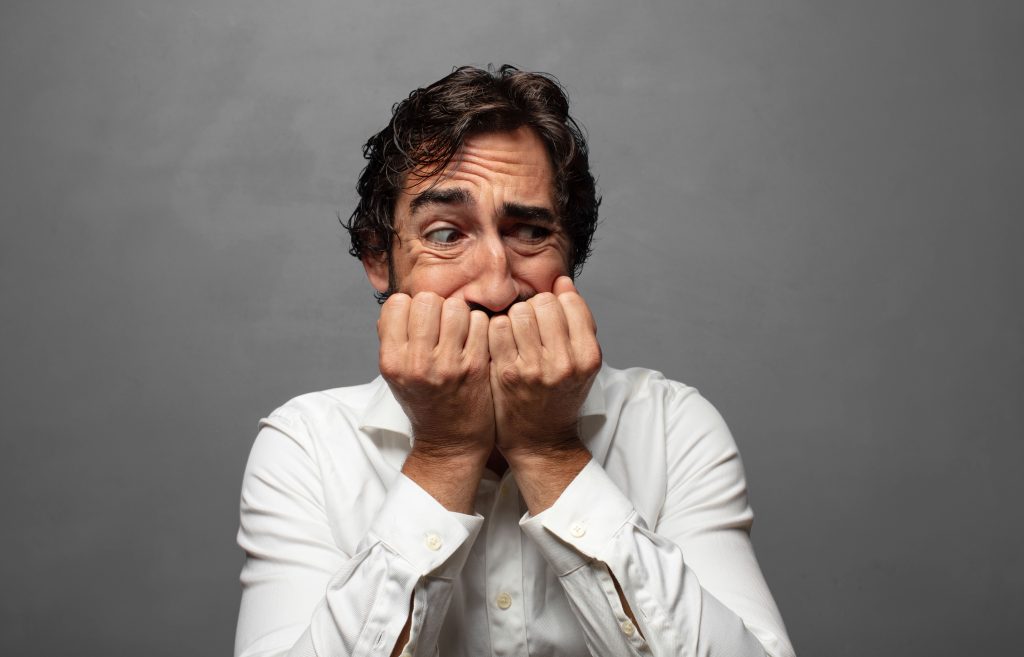
Phobias go beyond just regular fears—they're intense, long-lasting reactions that can disrupt your daily life, affect your relationships, and impact your overall well-being. Often stemming from a combination of personal experiences, biological factors, and learned behaviors, phobias can feel incredibly overwhelming and hard to manage. Grasping the most common triggers of phobias is a vital step in learning how to handle them effectively. In this blog, we’ll dive into five major causes of phobias and share some practical strategies to help you overcome them.
What is a phobia? Well, it’s an anxiety disorder that brings about an intense and persistent fear of a particular object, situation, or activity—much more intense than the actual threat it poses. Unlike the everyday fears we all experience, phobias can trigger an immediate and overwhelming wave of anxiety that’s tough to manage. This often leads people to go to great lengths to avoid whatever they fear, which can really throw a wrench in their daily lives, work, or social interactions. Even when someone knows their fear doesn’t make sense, the emotional and physical reactions can still feel completely out of control.
Phobias can present through a combination of emotional, physical, and behavioral signs that arise when a person encounters—or anticipates—the feared object or situation. While fear is the defining feature, the way it manifests can vary by phobia type. Some individuals experience sudden panic and physical distress, while others primarily struggle with avoidance behaviors that gradually limit daily activities. Recognizing these signs is an important first step toward effective treatment and symptom management.
| Type of Phobia | Common Signs | Emotional Symptoms | Physical Symptoms | Common Treatment Approaches |
| Specific Phobias (e.g., animals, heights, flying) | Avoidance of triggers, distress when exposed | Intense fear, dread, feeling out of control | Rapid heartbeat, sweating, shaking | Exposure therapy, CBT, relaxation techniques |
| Social Phobia (Social Anxiety Disorder) | Avoiding social situations, difficulty speaking publicly | Fear of judgment, embarrassment, self-consciousness | Blushing, nausea, trembling | CBT, social skills training, mindfulness |
| Agoraphobia | Avoidance of crowded or unfamiliar places | Fear of being trapped or unable to escape | Dizziness, shortness of breath, panic attacks | Gradual exposure therapy, CBT |
| Medical Phobias (e.g., needles, procedures) | Delaying or avoiding medical care | Extreme distress, anticipatory anxiety | Fainting, nausea, rapid breathing | Exposure therapy, applied tension, CBT |
Certain experiences or situations can really set off or intensify phobic reactions, especially when they create strong links to fear or anxiety. By spotting these triggers early on, individuals can gain a better understanding of their reactions and take proactive steps to manage or lessen their phobic responses.
Common phobia triggers may include:
Phobias usually arise from a mix of biological, psychological, and environmental influences rather than just one single factor. For instance, if someone has a genetic tendency towards anxiety disorders, they might be more susceptible to developing phobias. Additionally, learned behaviors—like seeing how others react in fear-inducing situations—can reinforce these phobic responses. Traumatic experiences tied to a specific object or scenario can also play a role, especially when the brain links that trigger to a sense of danger. Over time, the tendency to avoid these triggers can make the fear even stronger, leading to a more entrenched phobia.
Phobias often emerge after someone goes through a traumatic or particularly distressing event. When strong feelings of fear, pain, or a sense of losing control become tied to a specific object or situation, the brain might keep viewing that trigger as a threat long after the event is over. This kind of conditioning can lead to intense fear responses that pop up automatically.
If there's a family history of phobias or other anxiety disorders, an individual might be at a higher risk of developing similar fears. Genetics can play a role in how the brain handles stress and manages fear, making some people more prone to anxiety-related issues. While genetics alone don’t cause phobias, they can set the stage for a predisposition that interacts with life experiences.
Phobias can also be picked up through observation, especially during childhood. Seeing parents, caregivers, or peers react fearfully to certain situations can shape how one views danger. Over time, these learned reactions can become ingrained and evolve into lasting fears.
Variations in brain chemistry can influence how intensely someone feels fear and anxiety. People who are particularly sensitive to physical sensations like a racing heartbeat or dizziness might be more likely to misinterpret these feelings as threats. This increased sensitivity can reinforce avoidance behaviors and amplify phobic reactions.
Ongoing stress, significant life changes, or repeated exposure to anxiety-inducing environments can play a role in developing phobias. These elements can diminish emotional resilience and make it tougher for the brain to manage fear responses effectively. Over time, persistent stress can heighten vulnerability to irrational and enduring fears.
Social phobia, or social anxiety disorder, is marked by an overwhelming fear of social or performance situations where a person feels they might be judged, embarrassed, or scrutinized by others. This fear goes beyond just feeling nervous; it can disrupt daily life, making activities like speaking in meetings, attending social events, or even making phone calls feel daunting. Those with social phobia might completely steer clear of these situations or endure them with a lot of distress, which can lead to feelings of isolation and a dip in self-confidence.
Agoraphobia is defined by a fear of situations where escaping might be tough or where help might not be readily available if anxiety or panic strikes. This often includes crowded places, public transport, open areas, or even just being outside alone. Consequently, individuals may limit their movements or heavily depend on familiar, safe spaces, which can greatly affect their independence and overall quality of life. While agoraphobia often develops alongside panic disorder, it can also manifest independently.
There are also many other common phobias that fall under the umbrella of specific phobias, which involve intense fears of certain objects or situations, like animals, heights, flying, needles, or confined spaces. Although these phobias may seem quite specific, they can still lead to significant distress and avoidance behaviors that disrupt daily life, travel plans, or even medical treatment. While the triggers can differ widely, the underlying anxiety remains a common thread.
When someone has a phobia, their brain's fear-processing system goes into overdrive, especially in the areas that are wired to spot threats. The amygdala, which is crucial for our fear and emotional reactions, jumps into action at the sight of the feared object or situation—even if there’s no real danger lurking. This quick response sends out distress signals throughout the body, leading to anxiety and physical symptoms before the more rational parts of the brain have a chance to evaluate what’s happening.
At the same time, the communication between the amygdala and the prefrontal cortex—the part of the brain that helps with reasoning and managing emotions—can become less effective. This makes it tough for people to calm themselves down or to challenge their fearful thoughts in the heat of the moment. With repeated exposure, avoidance behaviors can strengthen these neural pathways, making the fear response even stronger. Treatment can help retrain the brain to respond more accurately and dial down that heightened sensitivity.
Phobias can develop in anyone, but some factors can make it more likely. People with a family history of anxiety disorders might be more genetically inclined to develop phobias, and those who faced anxiety or fear during their childhood may find themselves more vulnerable later on. Certain personality traits, like being particularly sensitive, having a tendency to inhibit behavior, or being prone to worry, can also increase the risk.
Environmental factors are significant too. Traumatic experiences, especially those that involve fear or a sense of losing control, can spark the development of phobias. Additionally, learned behaviors—like picking up on fear responses from parents or caregivers—can play a part. While phobias often start in childhood or adolescence, they can pop up at any age, especially during stressful times or major life changes.
Phobias can be quite daunting, but the good news is they are very treatable! Therapy stands out as the most effective way to achieve lasting improvement. One popular method is cognitive behavioral therapy (CBT), which helps people recognize and reshape those irrational fears while also teaching them healthier ways to cope. A vital part of CBT is exposure therapy, where individuals gradually face their fears in a controlled manner, helping to lessen anxiety over time.
When it comes to tackling phobias, psychotherapy is the go-to treatment, with cognitive behavioral therapy (CBT) leading the pack. CBT is all about helping people see how their thoughts can trigger fear and equipping them with practical tools to handle anxiety more effectively. In structured sessions, patients gradually learn to face their fears in a safe and controlled environment.
Exposure therapy is a key player here, focusing on the gradual and repeated confrontation of the feared object or situation to help lessen anxiety over time. This method retrains the brain to understand that the trigger isn’t actually dangerous, which helps to weaken the fear response. Depending on the phobia, exposure can happen in real life, through visualization, or even in virtual settings.
In some cases, medication might be suggested to help manage intense anxiety symptoms, especially at the beginning of treatment. Options like antidepressants or short-term anti-anxiety meds can ease physical symptoms and make it easier to engage in therapy. Additionally, support strategies such as mindfulness, breathing exercises, and lifestyle changes can significantly boost long-term recovery.
Don't let anxiety control your life. As the mental health landscape evolves, our commitment to delivering the highest quality of care remains the same.
We're here to support you through your journey toward improved mental well-being. Call us at 888-903-5505 or schedule an appointment online.
Can phobias be treated through online psychiatric services?
Yes, many phobias can be effectively treated through online psychiatric services. Telepsychiatry allows patients to access licensed mental health professionals from home, reducing barriers like travel or scheduling challenges. Evidence-based therapies such as cognitive behavioral therapy (CBT) are commonly delivered online. For many people, virtual care is just as effective as in-person treatment.
What types of phobias can online psychiatry help treat?
Online psychiatric services can help treat specific phobias, social phobia, and agoraphobia. Treatment plans are tailored to the individual and the type of fear involved. Therapists may use exposure-based techniques adapted for virtual settings. In more complex cases, online care can also coordinate referrals if in-person support is needed.
How does exposure therapy work in online treatment?
In online treatment, exposure therapy is done gradually and in a controlled way with guidance from a clinician. This may involve visualization, structured exercises, or real-life exposure assignments completed between sessions. The goal is to reduce fear by helping the brain learn that the trigger is not dangerous. Over time, anxiety responses typically become less intense.
Can medication be prescribed through online psychiatric services?
Yes, licensed psychiatrists can prescribe medication through telehealth when clinically appropriate. Medications may help manage anxiety symptoms that interfere with daily functioning or therapy progress. They are often used alongside therapy rather than as a standalone solution. Ongoing virtual follow-ups help monitor effectiveness and side effects.
Is online treatment for phobias safe and confidential?
Reputable online psychiatric platforms use secure, HIPAA-compliant technology to protect patient privacy. Sessions are conducted confidentially, just like in traditional clinical settings. Providers follow the same ethical and legal standards as in-person care. Patients should always verify credentials and privacy policies before starting treatment.
How long does it take to see improvement with online phobia treatment?
The timeline for improvement varies based on the severity of the phobia and individual response to treatment. Some people notice reduced anxiety within a few weeks of consistent therapy. Others may require several months of structured treatment for lasting improvement. Regular participation and follow-through with therapeutic exercises are key factors.
Who is a good candidate for online psychiatric treatment for phobias?
Online treatment is well suited for individuals with mild to moderate phobias who are comfortable using digital platforms. It can be especially helpful for those whose fears make travel or in-person visits difficult. People with severe or complex conditions may still benefit but could require a combination of online and in-person care. A virtual assessment can help determine the most appropriate treatment approach.






Monday - Friday: 8:00 am - 5:00 pm EST
Closed Saturday & Sunday