

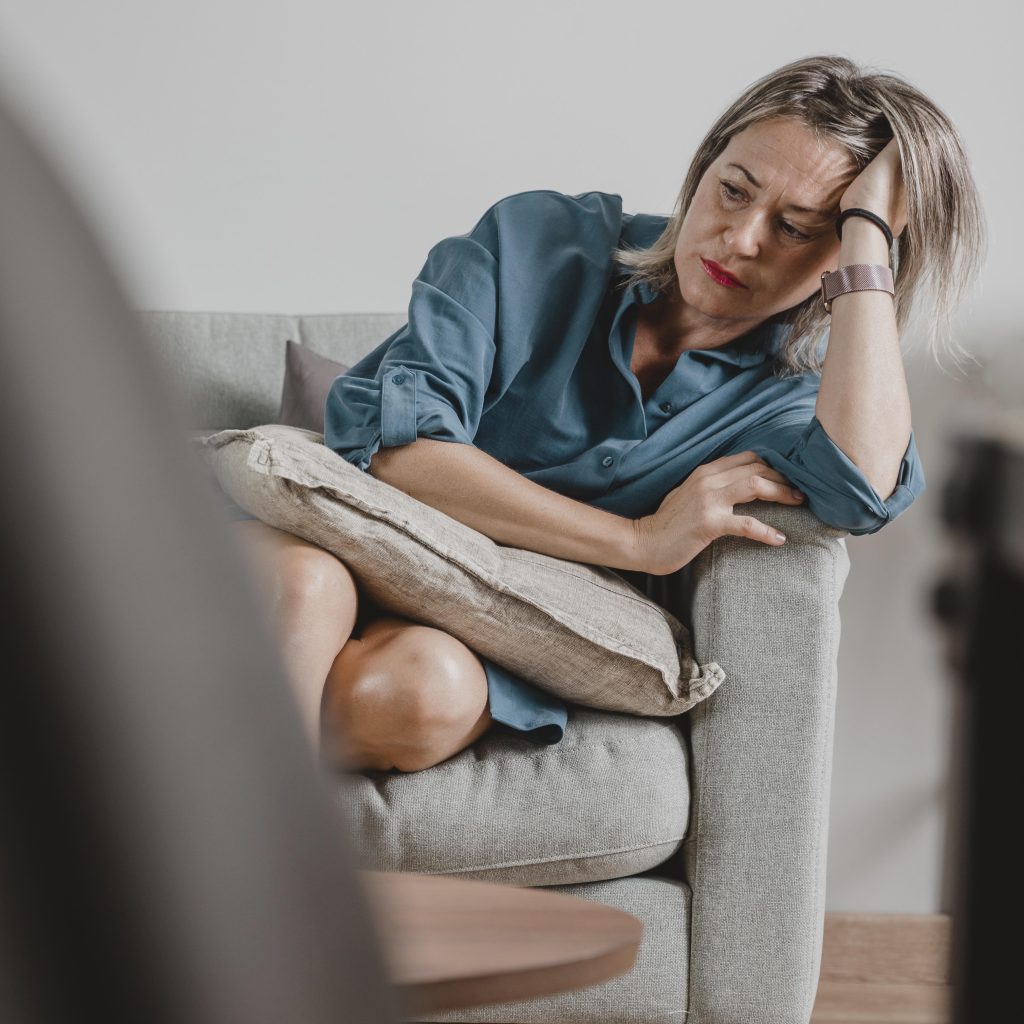
Each year in the United States, approximately 40 million adults (about 19.1%) have an anxiety disorder. If you're looking for ways to manage anxiety, you've likely heard of propranolol for anxiety. This medication, commonly used to treat heart conditions, has been found to be effective in reducing the physical symptoms of anxiety, such as rapid heart rate and trembling. While it doesn’t address the emotional aspects of anxiety, it can be a game-changer for those experiencing situational or performance anxiety. In this blog, we’ll explore how propranolol works, when it’s helpful, and how it might fit into your anxiety management plan.
Propranolol is a medication that doctors often prescribe to help manage a variety of heart-related issues, like high blood pressure and irregular heartbeats. Interestingly, it’s also commonly used off-label to tackle anxiety, especially performance anxiety. When people take Propranolol for anxiety, it works to ease those pesky physical symptoms—like a racing heart, sweating, and shaking—so they can feel more composed during stressful moments.
Propranolol functions by blocking the effects of adrenaline (also known as epinephrine) on the body’s beta receptors, which are located in the heart and other tissues. This action helps to lower both heart rate and blood pressure, effectively minimizing the physical signs of anxiety. When used for anxiety relief, Propranolol calms the body’s stress response without altering a person’s mental state, making it especially helpful in situations like public speaking or performances, where those physical symptoms can really take over.
Propranolol is generally well-tolerated, but like any medication, it may cause some side effects. It’s important to follow your doctor’s instructions carefully and report any unusual symptoms. For most people, the benefits outweigh potential risks, but regular monitoring is recommended to ensure the medication is working effectively.
Common side effects of Propranolol include:
Rare, but severe, side effects of Propranolol include:
This is not a complete list of side effects. If you experience anything unusual after taking propranolol, reach out to a licensed physician.
Propranolol should not be taken in certain situations, as it may not be safe for everyone. If you have specific medical conditions or concerns, consult your doctor before using it.
Below are some situations when propranolol may not be suitable:
Finding the right Ohio psychiatrist is crucial for managing your mental health effectively. With a variety of specialized professionals across the state, it's important to consider factors like their experience, treatment approaches, and whether they make you feel comfortable and understood. A well-matched psychiatrist can help guide you through your mental health journey and provide tailored treatment options to best suit your needs.
Don't let anxiety control your life. As the mental health landscape evolves, our commitment to delivering the highest quality of care remains the same.
We're here to support you through your journey toward improved mental well-being. Call us at 888-903-5505 or schedule an appointment online.
The dosage frequency of propranolol for anxiety depends on individual needs and the severity of symptoms. Typically, it's taken 1-2 times per day, with a lower dose for performance anxiety or situational stress. Your doctor will adjust the dosage based on your response to the medication.
When stopping propranolol for anxiety, it's essential to gradually reduce the dosage under a doctor’s supervision to avoid withdrawal symptoms. Abruptly stopping can lead to a rebound increase in heart rate or blood pressure. Consult your healthcare provider for a proper tapering plan based on your situation.
Propranolol for anxiety can be prescribed by a healthcare provider after assessing your condition. You’ll need a doctor’s consultation, where they will evaluate if propranolol is appropriate for your anxiety symptoms. Once prescribed, you can fill the prescription at a pharmacy.
Propranolol for anxiety should be taken exactly as prescribed by your doctor, usually in pill form. For anxiety attacks, it’s typically taken 30 minutes to an hour before the stressful event to manage physical symptoms. Always follow your doctor’s guidance on dosage and timing.
Take propranolol for anxiety disorder or performance anxiety about an hour before a stressful event or situation. For general anxiety management, it may be taken regularly as prescribed by your doctor. Timing and dosage will depend on the severity of your symptoms and your doctor’s recommendation.
Yes, propranolol is effective in reducing physical symptoms of anxiety, such as rapid heartbeat, shaking, and sweating. However, it doesn’t directly address the psychological aspects of anxiety, like excessive worry. It is often used for situational anxiety, such as public speaking or performance.
Propranolol works by blocking the beta-adrenergic receptors that respond to adrenaline. This reduces the physical symptoms of anxiety, like elevated heart rate and blood pressure, making it particularly effective for anxiety attacks or stressful situations. It doesn’t affect emotional anxiety directly but helps ease the body's physical response.
Propranolol works for anxiety by blocking the effects of adrenaline, which is responsible for triggering the "fight or flight" response in the body. This reduces symptoms such as rapid heartbeat, shaking, and sweating that are commonly experienced during anxiety attacks. By calming these physical reactions, it helps individuals feel more in control.
Propranolol is used for anxiety because it effectively manages the physical symptoms, such as trembling, sweating, and palpitations, that often accompany anxiety. It's especially helpful for performance anxiety or situational anxiety where physical signs are most noticeable. However, it doesn't directly treat the emotional or cognitive symptoms of anxiety.
Yes, propranolol can be taken daily for anxiety if prescribed by a healthcare provider. This approach is more common for generalized anxiety disorder, where constant management of symptoms is needed. For occasional anxiety attacks, it may only be taken as needed, before stressful events.
Propranolol is generally effective in managing the physical symptoms of anxiety, especially in situations like public speaking or performance anxiety. However, its effectiveness varies, as it doesn't directly target the psychological aspects of anxiety. It's often combined with other treatments like therapy for comprehensive management of anxiety disorders.
Yes, propranolol is often prescribed for anxiety, particularly for performance anxiety or anxiety attacks. It is not a first-line treatment for generalized anxiety disorder but can be useful in specific situations where physical symptoms are prominent. Your healthcare provider will determine if it’s right for you.
The effects of propranolol for anxiety typically last around 3-6 hours, depending on the dosage. For anxiety attacks, a single dose may provide relief during the event. For long-term use in anxiety disorder, the effects are sustained throughout the day but will require regular dosing.
Propranolol reduces anxiety by blocking adrenaline receptors, which helps prevent the body from responding to stress with rapid heart rate, shaking, and other physical symptoms. It doesn’t directly alter the feelings of anxiety but alleviates the body's physical response, making stressful situations more manageable.
The length of time propranolol can be taken for anxiety depends on individual needs and your doctor's guidance. Some people use it only for specific events, like public speaking, while others may take it daily for generalized anxiety. Long-term use should be monitored by a healthcare provider.
Clonidine and propranolol are both used to manage physical symptoms of anxiety but work differently. Propranolol is typically preferred for performance anxiety or anxiety attacks due to its effect on the heart and blood pressure. Clonidine, on the other hand, is sometimes used for generalized anxiety but may have more sedative effects.
Alternatives to propranolol for anxiety include medications like benzodiazepines (e.g., lorazepam), SSRIs (selective serotonin reuptake inhibitors), and natural remedies such as mindfulness or cognitive behavioral therapy (CBT). The choice of treatment depends on the type and severity of anxiety.


Monday - Friday: 8:00 am - 5:00 pm EST
Closed Saturday & Sunday


