

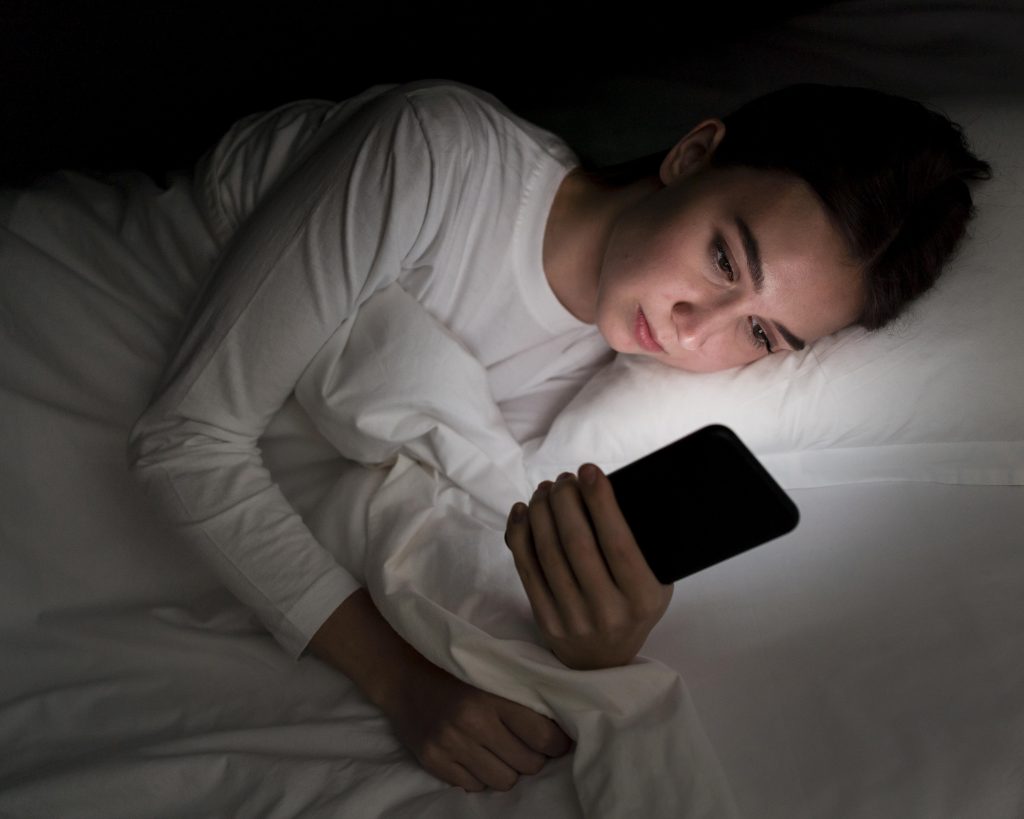
Sleep Revenge Procrastination is becoming a real challenge in our fast-paced lives, especially for those who feel like their days are packed with work, family obligations, and endless responsibilities. When night falls and the world finally quiets down, many of us find ourselves staying up a bit longer to grab some personal time—whether it’s scrolling through our phones, binge-watching shows, or just soaking in the silence. While this might seem like a nice little escape at the moment, it often comes with a hefty price: poor sleep, foggy minds, and a dip in overall well-being. In this blog, we’ll dive into what sleep revenge procrastination really is, why it happens, how it impacts your health, and some practical tips to help you break free from this cycle.
Sleep revenge procrastination is that all-too-familiar habit of putting off bedtime just to carve out a little personal time for yourself, even though you know it’ll leave you feeling tired the next day. This behavior often pops up in folks with hectic schedules who feel like their daytime hours are dictated by work, caregiving, or other obligations. Late-night scrolling, binge-watching, or gaming becomes a way to reclaim some autonomy, even if it means sacrificing sleep quality and overall health.
While it’s not an official medical diagnosis, sleep revenge procrastination is gaining recognition among sleep researchers and mental health professionals as a behavioral pattern tied to chronic sleep deprivation. Over time, consistently pushing your bedtime later can throw off your circadian rhythms, impair cognitive performance, and negatively impact your mood, stress levels, and physical health.
One of the key psychological reasons people stay up late is a feeling of losing control during the day. When individuals feel overwhelmed or emotionally drained, nighttime becomes the only time they feel they can make choices for themselves. This sense of delayed gratification can easily overshadow rational decision-making, making immediate comfort seem more appealing than the long-term benefits of rest.
Stress, anxiety, and perfectionism also contribute to this issue, as a busy or overstimulated mind can make it tough to unwind at a reasonable hour. Moreover, conditions like ADHD or high baseline stress can heighten impulsivity and time blindness, making it all too easy to lose track of time at night. These psychological factors create a cycle of staying up late, even when the consequences are clear.
Some groups are particularly susceptible to sleep revenge procrastination, mainly due to their hectic schedules and scarce personal time. When daily obligations consistently overshadow chances for relaxation or enjoyment, bedtime often becomes the only window left for personal pursuits.
Here are just a few of the types of people who are at risk to develop this condition:
Why demanding schedules and lack of autonomy increase risk
When people feel they have little say over their time, the urge to “reclaim” it grows stronger. This feeling of imbalance can lead to late-night activities, even when they’re already feeling worn out.
Technology significantly contributes to the cycle of sleep revenge procrastination. With phones, tablets, and laptops always within reach, bedtime can easily morph into an extended session of engagement instead of a time for rest.
The blue light emitted by screens interferes with melatonin production, the hormone that helps regulate sleep. This disruption can delay the body’s natural signals for sleep, making it tougher to feel tired at a reasonable hour.
Social media and streaming services are crafted to keep users hooked. Features like autoplay and tailored feeds can effortlessly push bedtime later, often without the user even realizing how much time has slipped away.
If you're dealing with sleep revenge procrastination, you might find it easy to fall asleep once you hit the pillow. But insomnia is a different situation altogether; it means struggling to sleep even when you really want to and have the chance to do so.
For those grappling with sleep revenge procrastination, making some behavioral tweaks might just do the trick. In contrast, tackling insomnia often calls for a more structured approach, like cognitive behavioral therapy for insomnia (CBT-I).
The phenomenon of sleep revenge procrastination often intertwines with various mental health issues. When you're feeling emotionally drained or stressed, avoiding sleep can seem like a comforting escape or even a necessity.
Ongoing stress and mood disorders can lead to increased nighttime worrying and avoidance of sleep. Instead of being a restorative experience, sleep becomes something we put off.
For those with ADHD, keeping track of time and controlling impulses can be a real challenge. This often results in losing track of the hours at night, leading to unintentional delays in getting to bed.
If someone consistently avoids sleep, it might indicate that their emotional needs aren't being addressed during the day. This behavior can be a reflection of deeper feelings of burnout or being overwhelmed.
Chronic sleep deprivation impacts much more than just your energy levels. Over time, it can disrupt various organ systems and heighten the risk of serious health issues
Not getting enough sleep can weaken your immune system and ramp up inflammation. This makes you more susceptible to illnesses and slows down recovery.
Disrupted sleep can throw off the hormones that manage appetite and metabolism. This imbalance can lead to weight gain and issues with insulin resistance.
Long-term lack of sleep has been associated with higher blood pressure, heart disease, and an increased risk of mortality. The cumulative effects can be quite significant.
Chronic sleep deprivation can take a toll on nearly every part of your health and daily life. When you don’t get enough sleep over time, it can mess with your concentration, memory, and decision-making skills, while also making you more irritable and emotionally unstable. On the physical side, ongoing lack of sleep can weaken your immune system, throw your hormones out of balance, put strain on your heart, and increase your risk of long-term issues like obesity and depression. That’s why getting enough rest is so crucial for your overall well-being.
To break the cycle of sleep procrastination, it’s best to start with small, manageable changes instead of trying to stick to a strict routine. Try setting a regular wind-down time, cutting back on screen time before bed, and carving out some personal time earlier in the day to help curb the temptation to stay up late. Making gradual changes—like shifting your bedtime earlier by 15 minutes and establishing a calming pre-sleep routine—can help you build healthier sleep habits without feeling like you’re restricting yourself.
If you find that sleep deprivation continues despite making lifestyle changes or starts to impact your mental health, work performance, or daily life, it might be time to reach out for professional help. A healthcare or mental health provider can assist in figuring out if there are underlying issues like anxiety, depression, ADHD, or a sleep disorder that could be contributing to your struggles and suggest appropriate treatment options.
Here are 10 practical tips to break the cycle of sleep revenge procrastination, each with a short, patient-friendly explanation:
Finding the right psychiatric care in Arizona can truly impact your mental health journey. Whether you need an evaluation, medication management, or ongoing support for issues like anxiety, depression, or ADHD, it’s essential to start with the right resources. Look for board-certified providers who have solid patient reviews, clear specialties, and are compatible with your insurance. This way, you can feel comfortable and well-supported throughout your treatment.
If you're experiencing insomnia, it's important to consult a healthcare expert. Getting help early on can enhance treatment effectiveness and boost your quality of life.
We're here to support you through your journey toward improved mental well-being. Call us at 888-903-5505 or schedule an appointment online.
What is sleep revenge procrastination, and why does it happen?
Sleep revenge procrastination happens when people delay sleep to reclaim personal time after demanding days. It is often driven by stress, lack of control, or emotional exhaustion rather than true insomnia. Many people ask is revenge bedtime procrastination real, and research confirms it is a recognized behavioral pattern.
Is sleep revenge procrastination linked to stress or burnout?
Sleep revenge procrastination is strongly associated with stress and burnout. When evenings feel like the only time for yourself, bedtime is often pushed later. Learning how to stop revenge bedtime procrastination usually starts with reducing daily overload and improving boundaries.
How does sleep revenge procrastination affect mental health and focus?
Sleep revenge procrastination reduces sleep quality, which can impair concentration, memory, and emotional regulation. Over time, it may worsen anxiety and depressive symptoms. Addressing how to fix revenge bedtime procrastination often leads to improved mental clarity and mood.
Is sleep revenge procrastination more common in people with ADHD or anxiety?
Sleep revenge procrastination is more common in people with ADHD or anxiety due to impulsivity and racing thoughts. Difficulty disengaging from stimulation makes falling asleep harder. Calming routines such as deep sleep music for insomnia and anxiety may help support better sleep.
What are the signs that sleep revenge procrastination is becoming a problem?
Common signs include consistently staying up late despite feeling exhausted and regretting it the next day. Sleep revenge procrastination becomes a concern when it affects work performance, mood, or physical health. Recognizing these patterns is key to how to fix revenge bedtime procrastination.
How does screen time contribute to sleep revenge procrastination?
Screen time contributes to sleep revenge procrastination by overstimulating the brain and delaying melatonin release. Late-night scrolling often replaces intentional wind-down habits. Alternatives like deep sleep music for insomnia delta waves can help reduce nighttime stimulation.
Can sleep revenge procrastination disrupt your circadian rhythm?
Yes, sleep revenge procrastination can shift sleep and wake times later, disrupting the circadian rhythm. This makes it harder to fall asleep and wake up consistently. Learning how to stop revenge bedtime procrastination helps restore natural sleep timing.
What strategies help reduce sleep revenge procrastination without losing personal time?
Planning relaxation earlier in the evening reduces the urge to delay sleep. Many people find success with structured routines that include reading or deep sleep music for insomnia. These strategies preserve personal time while supporting better rest.
How effective is insomnia treatment online compared to in-person care?
Insomnia treatment online can be as effective as in-person care when evidence-based methods are used. Many programs combine CBT-I with guidance on tools like the best sleep devices for insomnia. Online options provide accessibility without sacrificing quality of care.
What types of insomnia treatments are available online?
Online insomnia treatments include CBT-I programs, telehealth therapy, and medication management when appropriate. Some providers also recommend tools such as the best sleep machine for insomnia or best sleep machines for insomnia paired with deep sleep music for insomnia deep sleep music for insomnia. These approaches address both behavioral and physiological sleep challenges.
Is insomnia treatment online safe and evidence-based?
Yes, insomnia treatment online is safe when delivered by licensed professionals or reputable platforms. CBT-I is the gold standard, and in some cases the best prescription sleep aid for chronic insomnia may be used under medical supervision. Combining clinical care with supportive sleep tools often improves long-term outcomes.


Monday - Friday: 8:00 am - 5:00 pm EST
Closed Saturday & Sunday


