

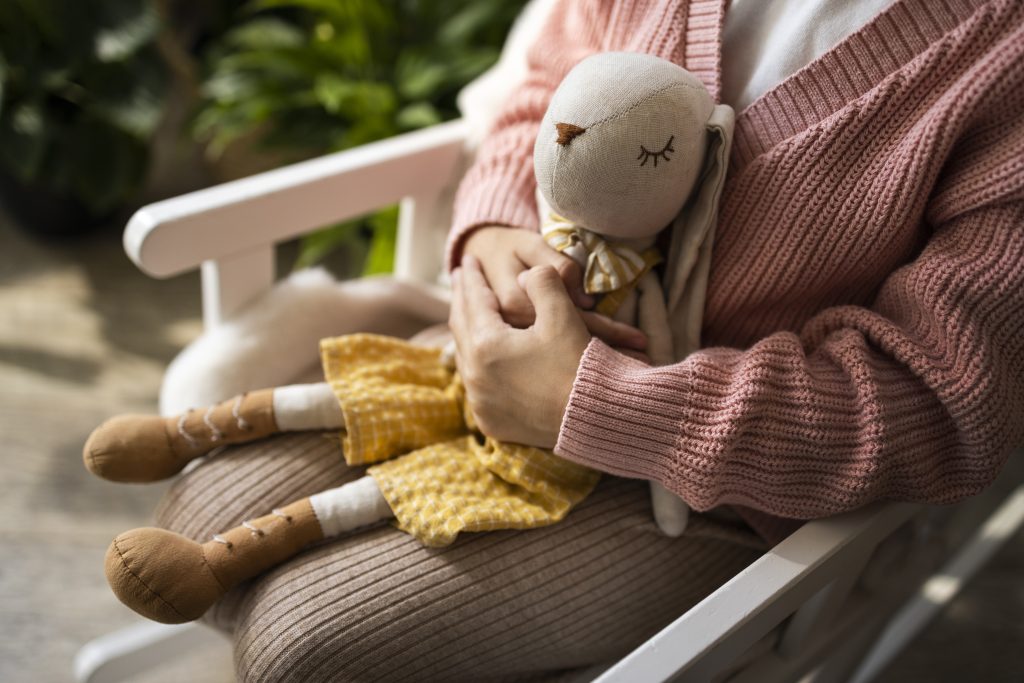
Supporting children who are dealing with depression often calls for creative and age-appropriate methods that extend beyond the usual talk therapy. Therapy dolls can be a gentle and effective tool to help kids express their feelings, develop coping skills, and feel emotionally secure, especially when finding the right words is tough. In this blog, you’ll discover 12 practical strategies for using therapy dolls to encourage emotional expression, lessen distress, and improve depression treatment for your child.
Therapy dolls are becoming more popular as helpful tools in child mental health care, especially for kids dealing with depression. These dolls act as silent companions, allowing children to express emotions they might not yet have the words for. In therapy, they’re often used alongside proven methods rather than as standalone solutions.
When used correctly, therapy dolls enhance structured treatments by creating a sense of emotional safety and trust. Clinicians might incorporate them with talk therapy or play-based techniques to gain insights into emotional themes, attachment styles, and behavioral reactions. This makes therapy dolls particularly beneficial for younger children or those who find it hard to communicate.
Therapy dolls are specially designed dolls used in clinical or therapeutic settings to help with emotional expression and regulation. They can vary from simple, soft figures to more intricate designs, depending on the child’s developmental level and therapeutic needs. Unlike regular toys, therapy dolls are used purposefully by mental health professionals.
These dolls often serve as symbolic representations, enabling children to project their feelings, experiences, or relationships onto them. This projection can provide therapists with valuable insights into emotional states that might otherwise stay hidden. The doll becomes a neutral and safe outlet for expression.
Children facing depression often find it tough to articulate feelings like sadness, guilt, or emotional numbness. Therapy dolls offer a gentle way for kids to express these emotions without the stress of direct questioning. This can help ease resistance and anxiety during therapy sessions.
Therapy dolls can be incredibly helpful for children as they learn to cope with depression. These dolls provide a sense of consistency and emotional support, which is especially important for kids who might feel unsafe or overwhelmed during therapy. Having a doll around can create a comforting environment, and over time, this familiarity can really boost a child's emotional resilience. In therapy, these dolls also play a key role in modeling behaviors.
Therapists can use them to show kids how to label their feelings, solve problems, and soothe themselves. By watching these interactions, children can pick up on important coping skills in a way that makes sense for their development. So, therapy dolls become not just a way to express feelings but also a means to build essential skills.
On a psychological level, therapy dolls can help kids feel less alone and more understood. When they project their thoughts or feelings onto the doll, it allows them to feel validated without the fear of being judged. This can enhance their emotional awareness and lessen any internal struggles they might be facing.
Therapy dolls can also act as a transitional object, helping kids connect their emotional experiences from therapy to their everyday lives. This ongoing connection fosters a sense of emotional safety and supports their long-term progress in therapy. Over time, many children find that they can better manage their moods and express themselves more freely.
When it comes to coping, therapy dolls play a fantastic role in helping kids develop healthy strategies like emotional labeling, storytelling, and role-play. These activities create a safe space for children to practice how to handle tough emotions. The doll acts as a tool for them to rehearse coping skills before they face real-life challenges.
Therapy dolls are often a great source of comfort during stressful times. Just holding or playing with the doll can help ease anxiety and provide a sense of security when feelings become too intense. This way, children can learn and strengthen their coping skills, which they can eventually carry into their everyday lives.
Doll therapy and play therapy are commonly discussed when comparing treatment options for depression in children because both offer age-appropriate, nonverbal ways to explore emotions. These approaches are often used alongside traditional treatments to support emotional expression, comfort, and engagement in care.
| Treatment Option | How It Helps With Depression | Best For | Key Considerations |
| Doll Therapy | Provides emotional comfort, nurturing behaviors, and a sense of safety | Younger children or those with attachment needs | Typically used as a supportive tool, not a standalone treatment |
| Play Therapy | Encourages emotional expression and processing through guided play | Children ages 3–12 | Requires a trained play therapist for best outcomes |
| Cognitive Behavioral Therapy (CBT) | Helps identify and reframe negative thought patterns | School-age children and adolescents | Evidence-based and structured |
| Family Therapy | Addresses family dynamics impacting mood and behavior | Children of all ages | Caregiver involvement is essential |
| Medication (when appropriate) | Helps regulate mood-related brain chemistry | Moderate to severe depression | Prescribed and monitored by a child psychiatrist |
Therapy dolls can be powerful allies in treating depression, especially when they're used thoughtfully and under professional guidance. Here are some practical strategies to help you incorporate therapy dolls into your practice, enhancing emotional expression and building coping skills.
Using therapy dolls for role-playing gives children a unique way to express their emotions. By projecting their feelings, thoughts, or behaviors onto the doll, they can share what they're going through without the pressure of direct conversation. This method creates a safe space for them to communicate feelings like sadness, anger, or fear. Therapists can then observe these emotional patterns and gently steer the conversation based on how the child plays. Over time, this role-playing not only fosters emotional awareness but also builds trust in the therapeutic relationship.
This strategy:
Therapy dolls serve as a fantastic tool for creating safe and predictable scenarios that can really help ease anxiety and emotional distress. When children reenact common fears or stressful situations, they start to feel a sense of control over experiences that might otherwise feel overwhelming. Therapists can use the dolls to demonstrate calm responses and coping strategies. This kind of repetition not only prepares children but also helps them feel more emotionally balanced.
This strategy:
Guided play with therapy dolls is a fantastic way for kids to learn and practice healthy coping skills in a nurturing setting. Therapists can show them techniques like deep breathing, positive self-talk, or how to ask for help, all through the actions of the dolls. Kids then get to mimic and make these behaviors their own. This approach really helps make coping strategies easier to understand and suitable for their development stage.
This strategy:
Using therapy dolls for storytelling gives children a unique way to express their feelings and experiences. Through these narratives, they can share their inner conflicts, relationships, and fears in a safe and gentle manner. Therapists can help steer these stories towards resolution or a deeper understanding of emotions. This kind of play not only fosters emotional processing but also encourages valuable insights.
This strategy:
Therapy dolls serve as a fantastic tool for kids to tackle challenges and find solutions through play. They can try out various outcomes and reactions without the worry of real-life repercussions. With the support of therapists, children learn to navigate problem-solving steps and make positive choices. This process gradually boosts their confidence and sharpens their decision-making skills.
This strategy:
Therapy dolls can play a significant role in helping children with depression by establishing predictable routines that offer emotional stability. By incorporating the doll into regular therapy sessions or daily activities, you create a sense of consistency and security. This kind of structure can help lessen feelings of uncertainty and emotional upheaval. Over time, these routines, supported by the doll, can empower children to feel more grounded and in control of their emotions.
This strategy:
Therapy dolls provide a wonderful way for kids to explore their emotions and deal with triggers that might lead to feelings of sadness. By engaging in play and acting out tough situations, children can process their feelings at a pace that feels right for them. With the support of therapists, they can identify their emotions and learn healthy coping strategies using the doll. This approach not only enhances emotional awareness but also helps build resilience in young ones.
This strategy:
Using therapy dolls is a fantastic way for kids to learn how to identify and understand their emotions better. Therapists can use the doll's conversations and actions to demonstrate emotional language. Kids often feel more at ease when they can repeat or elaborate on these labels during playtime. This not only boosts their emotional literacy but also enhances their communication skills.
This strategy:
Therapy dolls can really help kids feel less alone and more connected when they're going through tough emotional times. Just having the doll nearby can be a source of comfort during those moments when they feel sad or withdrawn. This little buddy can make a big difference in easing feelings of loneliness between therapy sessions. Over time, the emotional support they provide can lead to a better mood and more engagement in daily activities.
This strategy:
Getting parents involved in therapy doll play is a fantastic way to boost emotional skills beyond the therapy room. Therapists can show caregivers how to use the doll to promote emotional expression at home. This shared experience not only strengthens the bond between parent and child but also ensures a consistent approach to care. When parents take part, it really supports lasting emotional growth and stability.
Try these:
Therapy dolls can be a wonderful source of support for kids dealing with depression, offering them a safe and nonverbal outlet to express their feelings and work through tough experiences. When paired with proven treatment methods, these dolls can help lessen emotional pain, boost engagement in therapy, and aid in managing emotions. Over time, they play a key role in fostering healthy coping mechanisms and enhancing emotional understanding in ways that are suitable for a child's development.
In the short run, therapy dolls can bring comfort, ease anxiety, and assist children in voicing emotions that are hard for them to articulate. With regular use, they also contribute to lasting improvements in emotional regulation, self-awareness, and coping strategies. These positive effects often carry over from therapy sessions into everyday life.
Therapy dolls encourage children to practice identifying emotions, showing empathy, and communicating through guided play. By acting out social situations, kids can gain a better grasp of their own feelings and those of others. This not only strengthens their social bonds but also promotes healthier emotional growth over time.
Doll therapy is a bit of a controversial topic, with some folks worried it might come off as infantilizing or could potentially undermine a child's independence if not handled with care. Critics point out that it can create confusing boundaries if there's no trained professional involved, while supporters highlight the emotional perks it can offer when done right. The heart of the discussion really revolves around intent, consent, and making sure the method honors the child's dignity and developmental needs.
Choosing the right therapy doll is crucial for fostering emotional expression without overwhelming the child. The best dolls should match the child’s developmental stage, emotional needs, and therapeutic objectives. When selected with care, therapy dolls can significantly boost engagement, provide comfort, and improve therapeutic results.
The most effective therapy dolls are soft, comforting, and designed simply to prevent sensory overload. Their size, weight, and facial expressions should evoke a sense of calm and be suitable for the child’s age. It’s also important that they are durable and easy to clean for regular use in therapy sessions.
Some of the most popular therapy dolls include soft-bodied dolls, those with neutral expressions, and minimally detailed figures often used in play therapy. While some children may connect better with symbolic dolls, others might prefer more lifelike designs. Ultimately, the best choice will depend on the child’s comfort level, emotional reactions, and the guidance of their therapist.
Finding the best Ohio psychiatrist for you means considering your specific needs—such as depression, anxiety, medication management, or therapy style—along with practical factors like location, insurance acceptance, and whether you prefer in-person or telehealth appointments.
As the mental health landscape evolves, our commitment to delivering the highest quality of care remains the same.
We're here to support you through your journey toward improved mental well-being. Call us at 888-903-5505 or schedule an appointment online.
How does doll therapy work?
Doll therapy works by providing a comforting, tangible object that encourages nurturing behaviors and emotional expression. Holding or caring for a doll can reduce anxiety, agitation, and feelings of loneliness by offering a sense of purpose. In clinical settings, it may be paired with techniques from play therapy doll house activities to encourage communication. Some therapists also use tools like a therapist Barbie doll to help model emotions and social scenarios.
Why is doll therapy good for dementia patients?
Doll therapy can help dementia patients feel calmer, safer, and more emotionally regulated. The act of caregiving often taps into long-term memories that remain intact, even as short-term memory declines. This can reduce wandering, agitation, and distress while improving mood. For some individuals, approaches similar to therapy reborn doll use create comfort without relying on verbal reasoning.
What is doll therapy in dementia care?
Doll therapy in dementia care is a non-pharmacological intervention that uses dolls to provide emotional reassurance and routine. Patients may hold, talk to, or care for a doll as if it were a child. This interaction can promote attachment, reduce stress, and support identity preservation. Care teams carefully assess appropriateness to ensure dignity and respect.
What is a kinetic therapy doll?
A kinetic therapy doll is designed with movement, weight, or sensory feedback to stimulate physical and emotional engagement. These dolls may include soft resistance, gentle motion, or tactile features to encourage fine motor activity. They are sometimes used alongside therapy doll therapy dolls trauma approaches to support emotional regulation. The goal is to combine movement with comfort for therapeutic benefit.
What is doll therapy?
Doll therapy is a therapeutic approach that uses dolls to support emotional, psychological, or cognitive well-being. It is commonly used with dementia patients but can also help individuals coping with trauma or developmental challenges. In some contexts, it overlaps with concepts discussed in childhood depression dsm 5 frameworks related to emotional expression. The focus is comfort, connection, and emotional safety rather than play alone.
What are therapy dolls?
Therapy dolls are specially designed dolls used in clinical, caregiving, or therapeutic environments. They may be realistic, weighted, or symbolic depending on the therapeutic goal. Examples range from my therapy buddy doll concepts to more structured tools used by clinicians. Some are also inspired by niche designs like mr fronds therapy dolls names that help personalize care.
What is baby doll therapy?
Baby doll therapy involves using infant-like dolls to encourage nurturing behaviors and emotional bonding. It is frequently used in dementia and memory care settings to reduce agitation. The familiarity of caregiving roles can create calm and reassurance. When used thoughtfully, it supports emotional needs without reinforcing confusion.
What’s a therapy doll?
A therapy doll is any doll intentionally used to support emotional or psychological healing. It may be used in trauma therapy, dementia care, or child-focused interventions. Some therapists incorporate therapy ragdoll kitties therapy dolls for depression in chiñdren as a softer, less realistic option. The doll acts as a bridge for expression, comfort, and connection.
How do you make a therapy doll?
To make a therapy doll, start with soft, hypoallergenic materials that feel comforting to touch. Weighting, texture, and facial simplicity are important to avoid overstimulation. Some makers draw inspiration from therapy reborn doll designs, while others prefer simple, symbolic forms. The final design should match the emotional and sensory needs of the intended user.
Why is doll therapy controversial?
Doll therapy is controversial because some critics feel it can be infantilizing if used without consent or sensitivity. Ethical concerns focus on dignity, autonomy, and whether the therapy reinforces regression. Others argue that comfort and reduced distress outweigh these concerns when therapy is person-centered. Similar debates appear when comparing it to animal-based comfort approaches like ragdoll therapy cats.


Monday - Friday: 8:00 am - 5:00 pm EST
Closed Saturday & Sunday


