

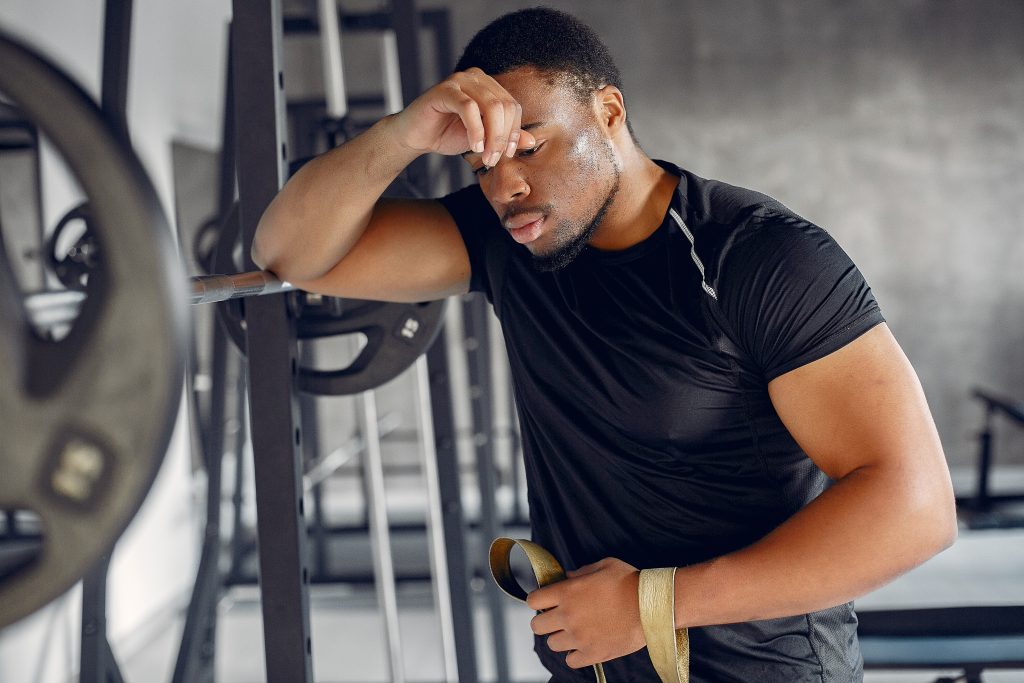
If you've ever caught yourself asking, "Why do I feel down after working out?" you're definitely not alone. Even though exercise is usually celebrated for lifting our spirits and easing stress, some folks end up feeling the exact opposite—mentally wiped out or even a bit blue after a workout. Figuring out what causes this post-workout slump can really help you tackle the issue and tweak your routine for the better, allowing you to reap all the rewards of exercise without the emotional hangover. In this blog, we’ll dive into some common reasons behind this phenomenon and share tips on how to keep your mental health in check while staying active.
Exercise-induced depression is when you feel emotionally low, sad, or mentally drained after engaging in physical activity. While we often think of exercise as a great way to boost our mood, some individuals find themselves feeling down instead of energized or uplifted after a workout.
This can be quite perplexing and disheartening, especially if you're trying to enhance your mental well-being through fitness. If you frequently experience feelings of depression post-workout, it’s crucial to recognize that this is a genuine experience that may stem from various physical, psychological, or lifestyle factors.
There are several reasons why you might feel down after exercising, even when your goal is to feel better. Hormonal changes, fatigue, or even psychological triggers can significantly influence how your body and mind respond to exercise.
Identifying these underlying causes is the first step toward addressing them. If you often feel depressed after working out, figuring out the source—be it physical, emotional, or nutritional—can empower you to make changes and regain control over your mental state.
Common causes include:
Overtraining can keep your body in a perpetual state of stress and fatigue, leading to burnout and emotional exhaustion. When you push yourself too hard without giving your body enough time to rest, it’s not unusual to feel down after a workout, as your nervous system and mood-regulating hormones struggle to bounce back.
For some people, exercise doesn’t alleviate stress—it can actually add to it. If you’re already grappling with anxiety or pressure, intense workouts might overstimulate your system, leaving you feeling even more anxious or depressed instead of relaxed after your session.
When you don’t see quick results from your workouts, it can be really frustrating and disappointing. This emotional letdown can hit hard, making you feel down after exercising, especially if you’re linking your self-worth to how well you perform or the results you achieve.
Not getting enough essential nutrients like B vitamins, magnesium, or iron can really affect your energy and mood, even if you’re working out regularly. If your body isn’t properly fueled, it might struggle to recover, leaving you feeling more exhausted and low after your workouts.
When it comes to fueling your body, proper nutrition is key to keeping both your body and mind in top shape during and after exercise. If you find yourself feeling down after a workout, it might be worth considering how your diet impacts your recovery and overall response to physical activity.
It's important to recognize that sometimes, feeling depressed after exercising can point to deeper mental health issues, like anxiety or depression. These challenges can not only make it tougher to bounce back emotionally after a workout but can also be exacerbated by the physical demands of exercising.
Finding ways to prevent feeling down after exercising is all about striking a healthy balance in your routine and looking after both your body and mind. Even small tweaks, like changing up your workout intensity or paying attention to your nutrition, can make a big difference in how energized you feel and help keep those post-workout blues at bay.
A well-rounded workout routine should mix various types of exercises while also allowing for proper recovery time. If you find yourself feeling down after a workout, tweaking your exercise plan might just help lift your spirits and ease that mental fatigue.
Mindful workouts focus on being aware of your body and breath while you exercise. This practice not only helps to lower stress but also boosts your mental clarity. By cultivating a sense of presence and calm, it can prevent that post-workout slump that sometimes leaves you feeling down.
Incorporating mindfulness practices into your routine can really help you tune into your body, easing stress and anxiety both during and after your workouts. These techniques foster a sense of calm, which can be a great way to counteract the emotional dips that sometimes follow a good sweat session.
Having unrealistic expectations can set you up for frustration and disappointment, especially if you’re hoping for quick results from your efforts. It’s crucial to manage these expectations to avoid feelings of letdown after exercising.
Taking care of your nutrition and hydration is essential for both your body and mind to recover properly. If you find yourself feeling down after a workout, it could be a sign that your diet and fluid intake aren't quite hitting the mark to support your fitness routine.
If you find yourself feeling down after your workouts on a regular basis, it might be a good idea to talk to a healthcare or fitness expert. Taking a holistic approach that combines both physical and emotional support can really enhance your overall well-being.
If you’re feeling persistently low, anxious, or struggling to bounce back from that post-workout slump, it’s probably time to seek some help. Don’t hesitate to connect with a doctor or a mental health professional for some guidance.
It’s crucial to be aware when your feelings after exercising go beyond just temporary tiredness or frustration. If your mood keeps getting worse, it might indicate that there’s something more serious at play.
Finding the right Texas psychiatrist is an essential step toward improving your mental health and well-being. Whether you’re seeking therapy, medication management, or a combination of both, it’s important to find a professional who aligns with your needs and makes you feel comfortable. By assessing your needs, researching potential psychiatrists, considering factors like insurance and payment options, and evaluating their approach, you can find the right provider who will offer the support you need.
As the mental health landscape evolves, our commitment to delivering the highest quality of care remains the same.
We're here to support you through your journey toward improved mental well-being. Call us at 888-903-5505 or schedule an appointment online.
Why do I get depressed after working out?
You might feel down after exercising due to a combination of physical and emotional factors. Intense workouts can trigger a hormonal response, leading to a drop in endorphins, which may leave you feeling emotionally drained or even getting depressed after working out. If you have underlying mental health issues, the physical stress from exercise might exacerbate feelings of sadness, leaving you still depressed after working out.
Why do I feel so depressed after working out?
Feeling more depressed after working out can happen if the exercise isn't aligned with your body’s needs or if you're pushing yourself too hard. Overtraining or exhausting your body without proper recovery can trigger a sense of emotional burnout, making you feel worse rather than better. This might result in getting depressed after working out, as your body is reacting to the stress rather than the endorphin rush you might expect.
Can you feel depressed after working out?
Yes, it is possible to feel depressed after working out, especially if the workout was intense or you're not in the right mental state. Exercise should typically boost mood, but when it doesn't, it could be linked to hormone imbalances or emotional triggers that leave you still depressed after working out. If you're feeling more depressed after working out consistently, it might be a signal to reassess your routine or how you approach fitness.
Why am I still depressed after working out?
If you're still depressed after working out, it could be due to pushing yourself too hard without enough rest, which causes mental and physical fatigue. Even though exercise is meant to alleviate stress, it might temporarily exacerbate underlying emotional issues, leaving you feeling down. You may also be dealing with an imbalance in neurotransmitters, which means getting depressed after working out might be a symptom of something deeper.
Why does exercise make me more depressed?
Exercise can sometimes make you feel more depressed if you're overtraining or not giving your body the recovery it needs. Overdoing it can lead to a drop in serotonin and dopamine levels, leaving you feeling low after the endorphin rush wears off. This can lead to a cycle of feeling more depressed after working out, as your body isn't able to fully recover and process the emotional benefits of exercise.
Why do I feel more depressed after working out?
You might feel more depressed after working out if you're not taking the right approach to your fitness routine, like not eating properly or overexerting yourself. Stress from intense physical exertion can leave you emotionally exhausted, and if your body isn't in balance, it might trigger feelings of sadness or anxiety. This leads to a pattern of feeling more depressed after working out, especially if there's an emotional component involved.
Why do I always feel depressed after working out?
Constantly feeling depressed after working out could stem from mental exhaustion, stress, or even an underlying mental health condition. Overdoing exercise, particularly intense cardio or strength training without proper recovery, can leave your body in a state of depletion. If you're always feeling more depressed after working out, it might be helpful to reevaluate your workout intensity, recovery strategies, and possibly speak to a professional about the emotional aspects of exercise.


Monday - Friday: 8:00 am - 5:00 pm EST
Closed Saturday & Sunday


